Material selection / Custom drinkware
Stainless Steel vs Plastic Water Bottles: Which Fits Your Project?
By Feng, Head of After-Sales Service & Online Marketing Lead
Start with the product you want to deliver, not a universal material ranking. For a gift, commuter or sports project, the body, lid, finish and intended use need to work as one specification.
The short answer
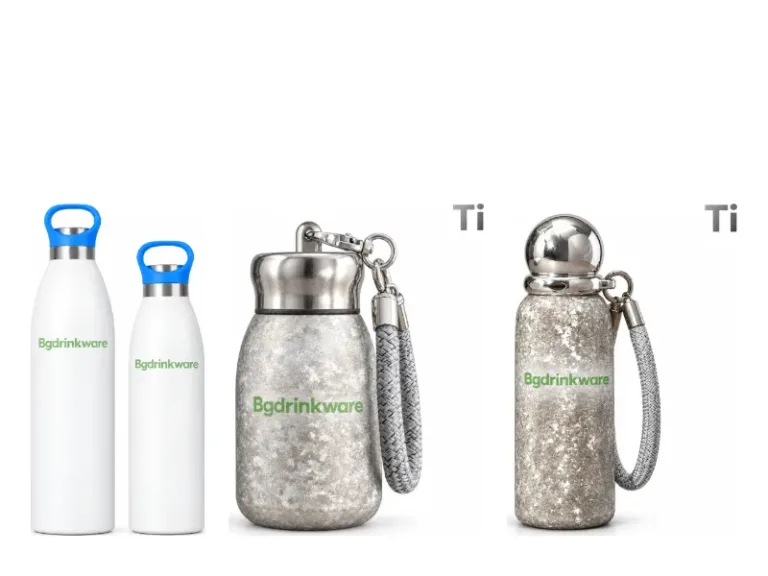
Stainless steel and plastic water bottles should be compared as complete body-and-lid configurations, because neither material is the best choice for every project. On the stainless steel route, a 304 stainless steel inner wall with a 201 stainless steel outer wall is a commonly used BG Drinkware configuration, and the inner wall can be upgraded to 316 for an order. On the plastic route, the resins discussed for BG Drinkware projects include PP, Tritan, AS, PS and PC, and these names are not interchangeable specifications. Lids commonly use PP, PS or Tritan, so a stainless steel bottle can still include plastic drinking parts and a silicone sealing ring. In BG Drinkware's gift-order experience, buyers often choose insulated drinkware and focus on its feel and perceived value, while plastic projects depend on the exact resin chosen. A fair comparison lists the inner and outer grades or the resin, the lid, gasket, spout and straw, and the documents the order requires.
01 / Define the configuration
Why compare complete stainless steel and plastic bottles?
A useful stainless steel vs plastic water bottle comparison starts with the actual construction. The bottle body is only one part of the specification; the lid and drinking components need their own material choices.
For BG Drinkware, a 304 stainless steel inner wall with a 201 stainless steel outer wall is a commonly used configuration. That is a factory-order detail, not a description of every model. Record the inner and outer grades separately, and confirm whether the selected design includes an insulated construction.
Plastic options discussed for BG Drinkware projects include PP, Tritan, AS, PS and PC, selected according to customer requirements. These names are not interchangeable specifications. Confirm the exact resin or grade for the body, along with the intended use and the documentation required for the order. See the stainless steel material options and plastic drinkware material options for the two material routes.
| Decision | Stainless steel route | Plastic route |
|---|---|---|
| Body specification | Confirm inner and outer grades, wall construction and finish. | Confirm the exact resin or grade, appearance and body design. |
| Lid & accessories | Specify each component separately; a steel body does not define the lid material. | Specify the lid, seal and drinking parts separately; they need not share the body material. |
| Gift presentation | Review the selected sample's feel, finish, decoration and assembly. | Review the selected sample's shape, color, decoration and assembly. |
| Order requirements | Agree intended use, tests, quantity and packaging for this configuration. | Agree intended use, tests, quantity and packaging for this configuration. |
Swipe the table horizontally to compare both routes.
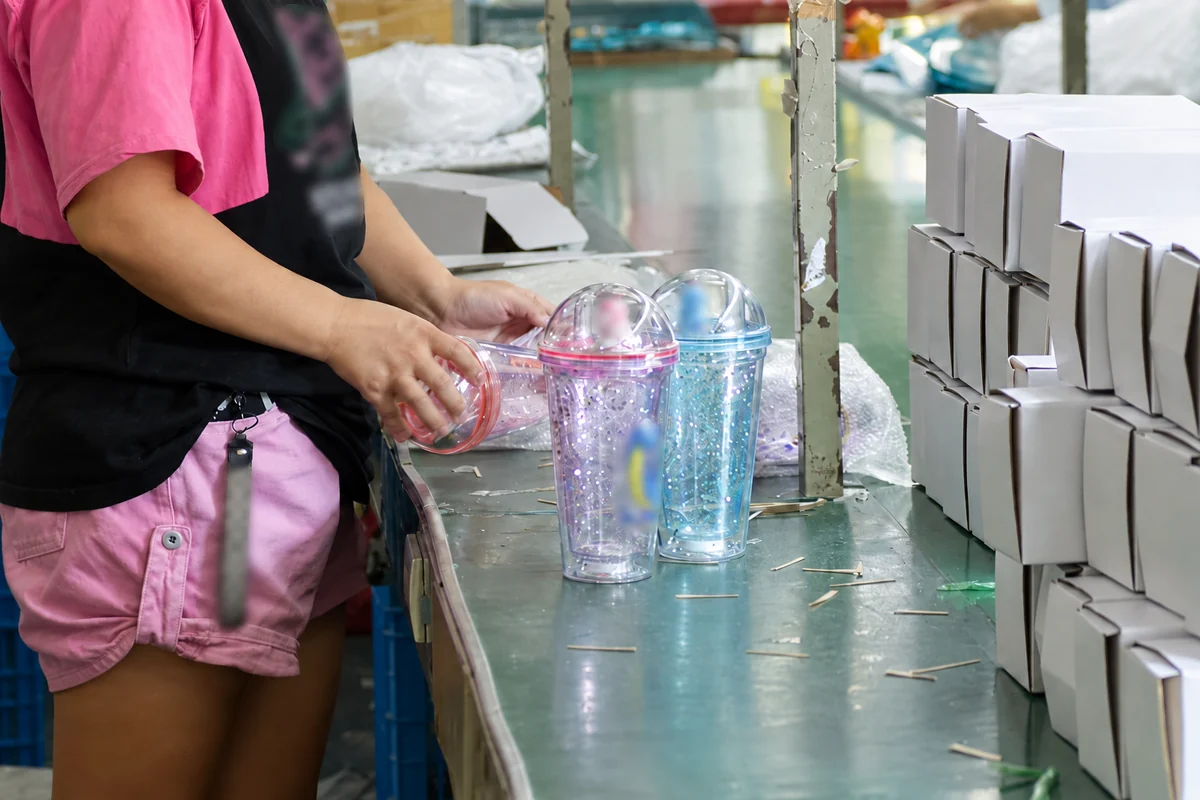
The lid is a separate material decision
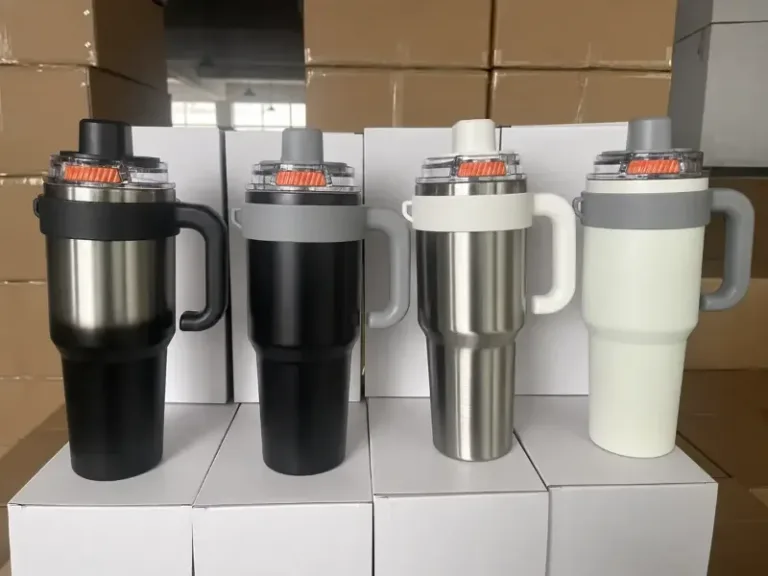
BG Drinkware's lid options commonly include PP, PS and Tritan, depending on the design and customer specification. A stainless steel bottle can still include plastic drinking parts and a sealing ring. A plastic bottle can also combine several component materials.
List the selected lid, gasket, spout and straw where present. Ask which parts are removable and which configuration is covered by the required documentation. A statement about the body alone should not become a claim about the complete bottle.
02 / Match the product positioning
Which bottle material suits a gift project?
BG Drinkware's gift customers often choose insulated drinkware because they care about the feel of the product and whether its presentation suggests added value. This is an observation from BG orders, not a market-wide rule.
Review the real sample with its intended color and logo treatment. Look at the surface finish, the feel in the hand, the appearance of the lid and how the parts sit together. The material choice sets the direction, but it does not replace this sample review.
A plastic route is worth developing when the brief calls for a specific resin, a clear-body appearance or a defined color-and-lid combination. Agree those details on a sample rather than treating “plastic” as a single look. There is no need to replace a settled plastic specification simply because another gift project favors insulated drinkware.
A premium-looking sample is a product-positioning decision, not a guarantee of a higher selling price. If insulation is part of the brief, define that requirement separately; the factory guide to insulated water bottles explains how BG approaches the checks.
If the bottles will carry eco claims, see green claims you can make for sustainable water bottles.
03 / Compare like-for-like samples
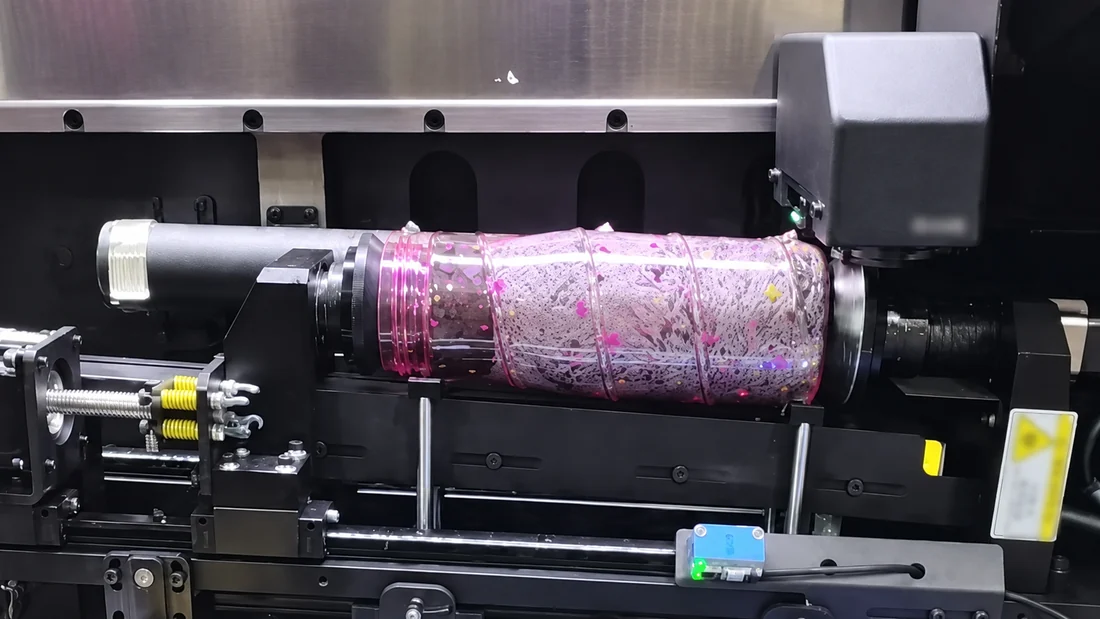
Why can bottles of the same capacity weigh differently?
Compare the weight of the actual samples with the same measurement scope. Two bottles carrying the same capacity label can still have different wall constructions, lids and accessories.
For a commuter or sports brief, review the empty, assembled product that the user will carry. For a gift brief, assess that weight alongside grip and presentation. Do not compare a bare body with a complete bottle and describe the difference as a material advantage.
- Use the same capacity definition and record the relevant dimensions.
- Weigh empty samples and state whether the lid, straw, handle or other accessories are included.
- Record the body construction and the exact sample configuration beside each result.
One sample comparison is not a universal weight ratio. Use it to choose between those configurations, not to assign an average weight advantage to an entire material category.
04 / Plan the selected order
How does the bottle material choice affect production planning?
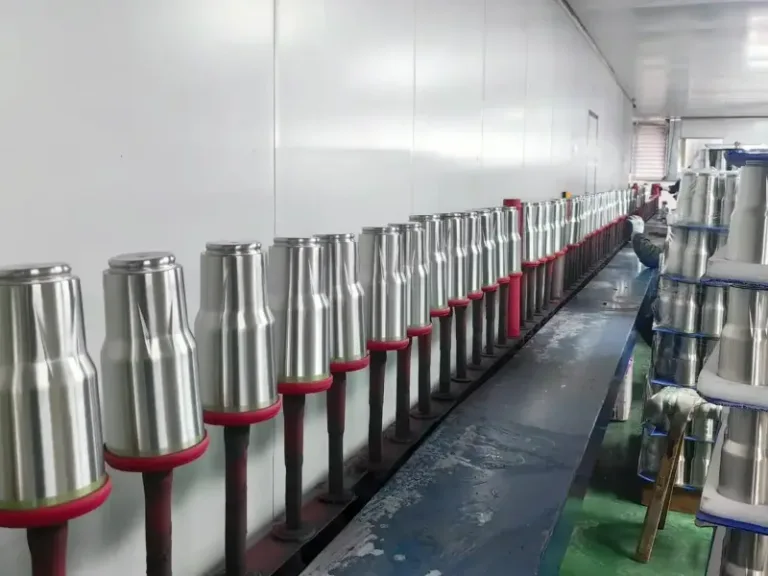
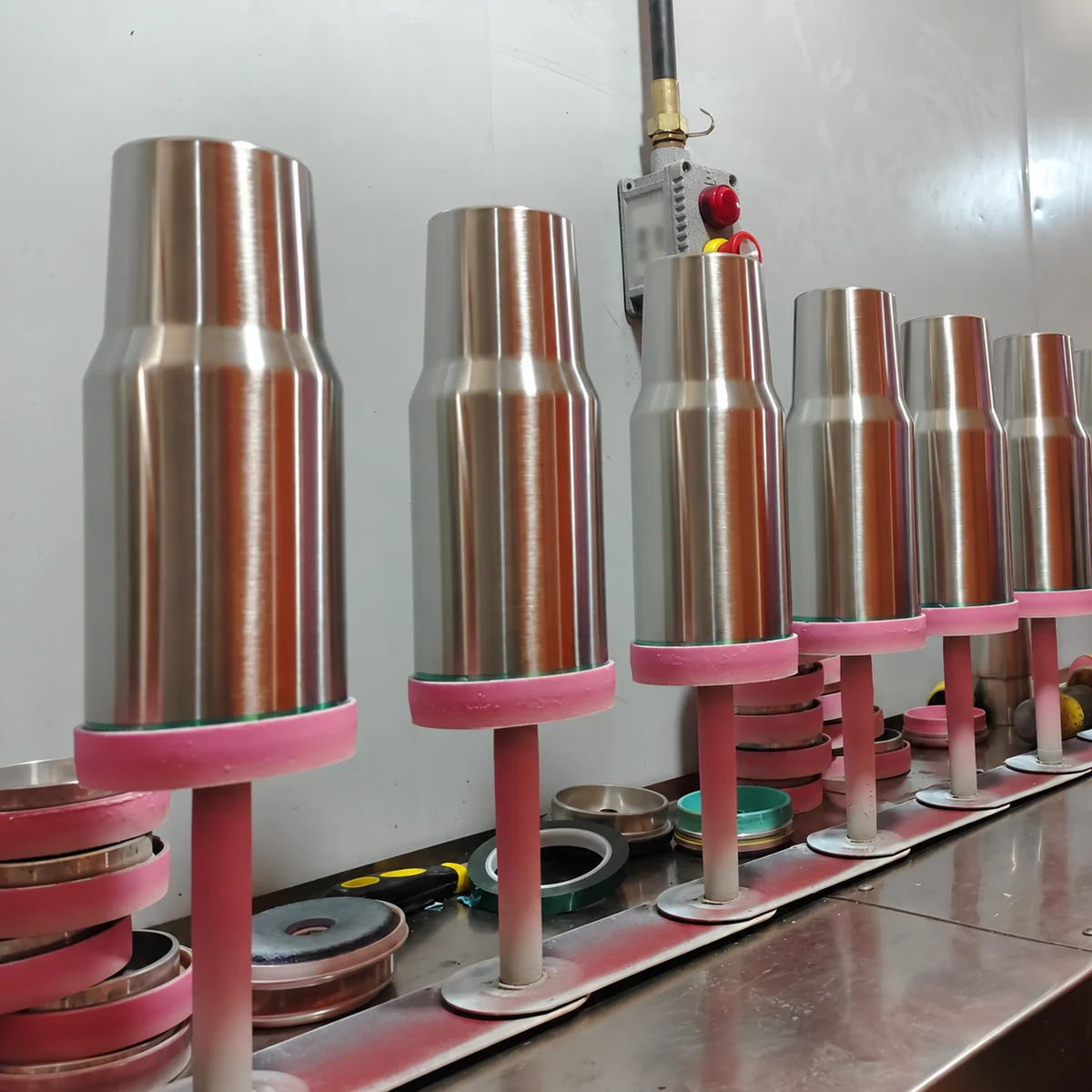
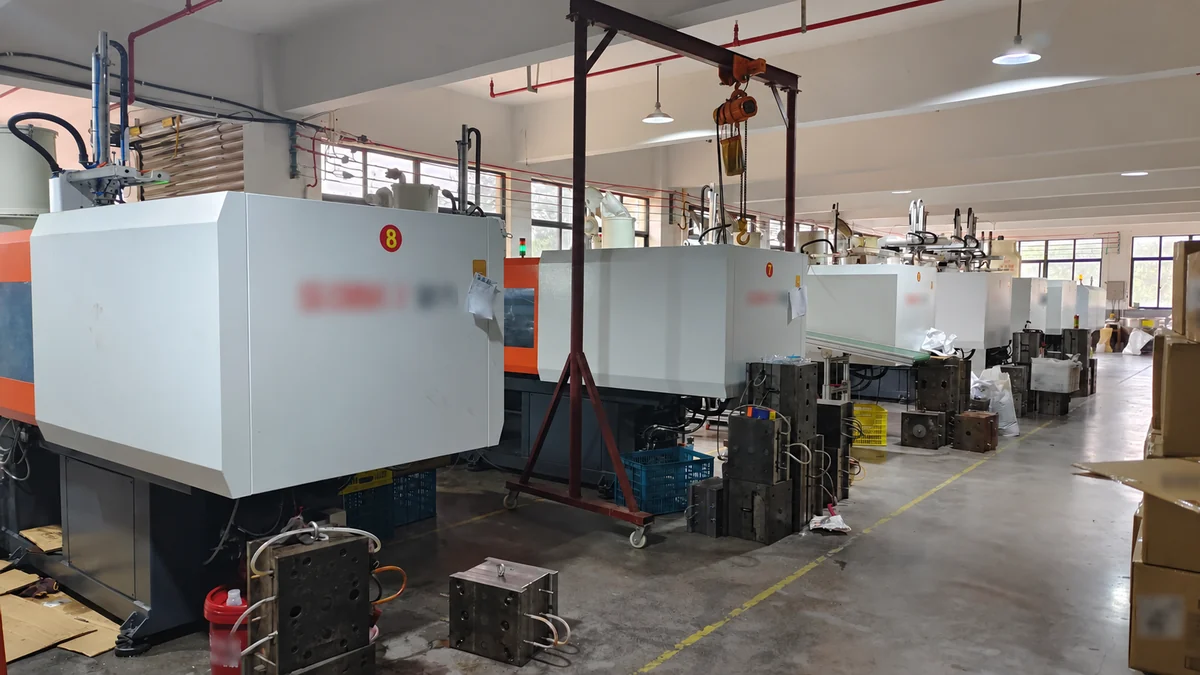
BG Drinkware makes bottle bodies and completes color and logo work in-house; some lids are externally sourced. Confirm the production and sourcing arrangements for the chosen body-and-lid combination.
A photograph of molding equipment cannot establish how a particular lid will be supplied. For the order, ask whether the lid is an existing option or needs development, then confirm its material, color, fit and supply timing alongside the body. The manufacturing overview provides the wider factory context.
MOQ and lead time are confirmed by order. Send the model or design, quantity, selected materials, finish, logo, packaging and delivery needs before requesting a firm schedule. Do not carry a minimum quantity or lead time from another product into this project.
05 / Turn the choice into a brief
What belongs in a complete bottle material specification?
BG customers usually arrive with a clear material requirement. The next step is to make that requirement usable for sampling and quotation, rather than reopen the choice without a reason.
| Brief item | What to provide |
|---|---|
| Use & positioning | Gift, commuting or sports use; intended drinks; desired feel and presentation. |
| Body & components | Steel grades or plastic resin/grade, construction, capacity, dimensions, lid and accessory list. |
| Decoration & packaging | Color reference, logo artwork, placement and packaging requirements. |
| Order & acceptance | Quantity, target market, delivery needs, required documentation and agreed checks. |
Swipe horizontally if needed to read the full brief.
Hot-drink use, washing instructions, leakage and drop requirements must be reviewed for the selected assembly and agreed with the order. “Stainless steel” or a resin name alone is not an acceptance method. Use the quality control overview to frame the checks, then record what applies to your product. For protein shakers, see stainless steel shaker bottles.
For how aluminium bottles compare, see aluminum vs stainless steel water bottles.
Quick answers
Stainless steel vs plastic water bottle FAQ
Is stainless steel better than plastic?
Not for every project. BG gift buyers often prioritize the feel of insulated drinkware, while plastic projects require their own resin and design choices. Compare the intended use and complete sample rather than declare one material the winner.
Does a stainless steel body settle the lid material?
No. The lid, seal and drinking components must be specified separately. BG's common inner-304/outer-201 body configuration does not define those parts, and some lids are externally sourced.
Can the material name confirm BPA-free or dishwasher claims?
No. Confirm the selected materials, configuration, intended use and relevant supporting documents. The BPA-free bottle guide explains the distinction between a label and the report's scope.
Is there one MOQ or lead time for each material?
No. BG Drinkware confirms these by order. Provide the model or design, quantity, material specification, decoration, packaging and delivery needs so the quotation can address the selected configuration.
Factory details in this article were supplied by BG Drinkware. Photographs have been cropped and edited to obscure identifying details; they illustrate workshop scenes, not material certifications or test results.
Prepare your project brief
Bring your material choice into a complete bottle specification.
Send the intended use, selected material, capacity, lid and accessories, artwork, quantity and target market. BG Drinkware can review the configuration and confirm the order-specific sampling, production and quotation requirements.
DISCUSS YOUR BOTTLE PROJECT