Single Wall, Double Wall or Vacuum Insulated? How to Choose a Stainless Steel Water Bottle Build
Two walls do not make a bottle insulated on their own. What fills the gap between them does. Here is how the three builds differ, what each one is good for, and what to write in the order.
By Feng, Head of After-Sales Service & Online Marketing Lead
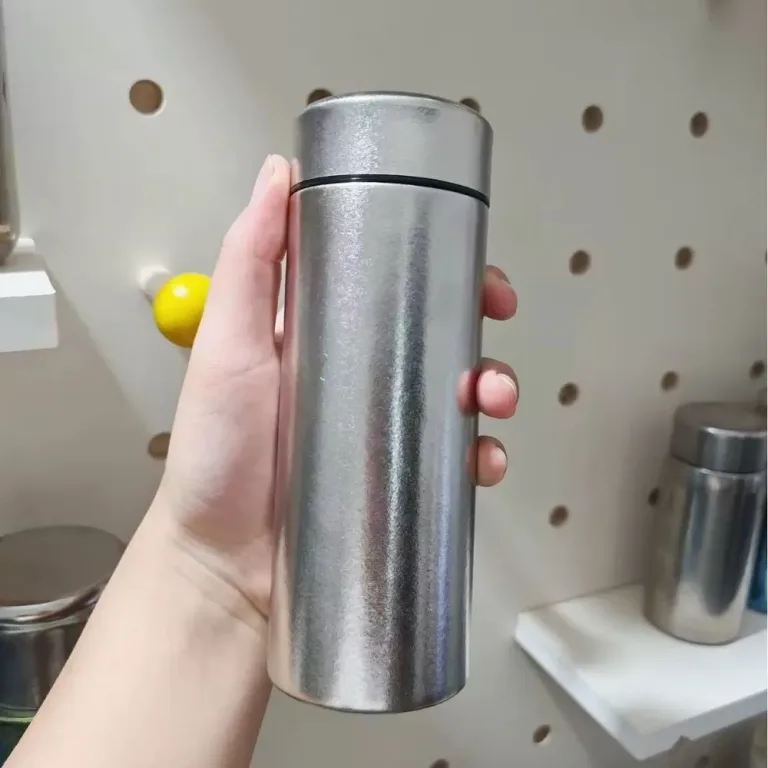
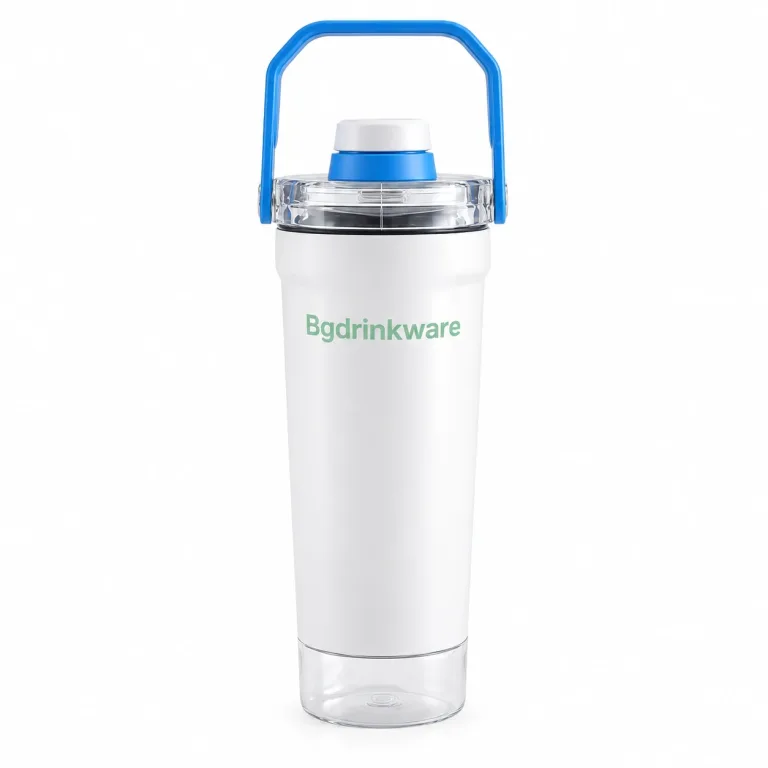
A single wall stainless steel water bottle has one layer of steel and does not insulate, so a cold drink warms quickly and a hot drink makes the outside hot. A double wall stainless steel water bottle has two layers; if the gap between them is filled with air, it insulates a little. A vacuum insulated bottle is a double wall bottle with the air pumped out of the gap, which almost eliminates heat moving across the gap by conduction and convection, so drinks stay hot or cold far longer and the outside stays near room temperature. BG Drinkware, a drinkware manufacturer in Yongkang, China, makes all three: its standard insulated build is double wall vacuum, with a 304 stainless steel inner wall and a 201 outer wall, and every vacuum bottle is insulation-tested on a temperature-testing machine before shipping. It also makes single wall bottles, and non-vacuum double wall builds on order. Vacuum bottles should not go in a freezer or fridge.
What is the difference between single wall, double wall and vacuum insulated?
The number of walls matters less than what sits between them.
A single wall bottle is one formed steel shell. A double wall bottle has an inner wall that holds the drink and an outer wall that you hold, joined at the mouth. In a non-vacuum double wall build the gap holds air. In a vacuum insulated build the air is removed from the gap and the gap is sealed, which is where the insulation comes from.
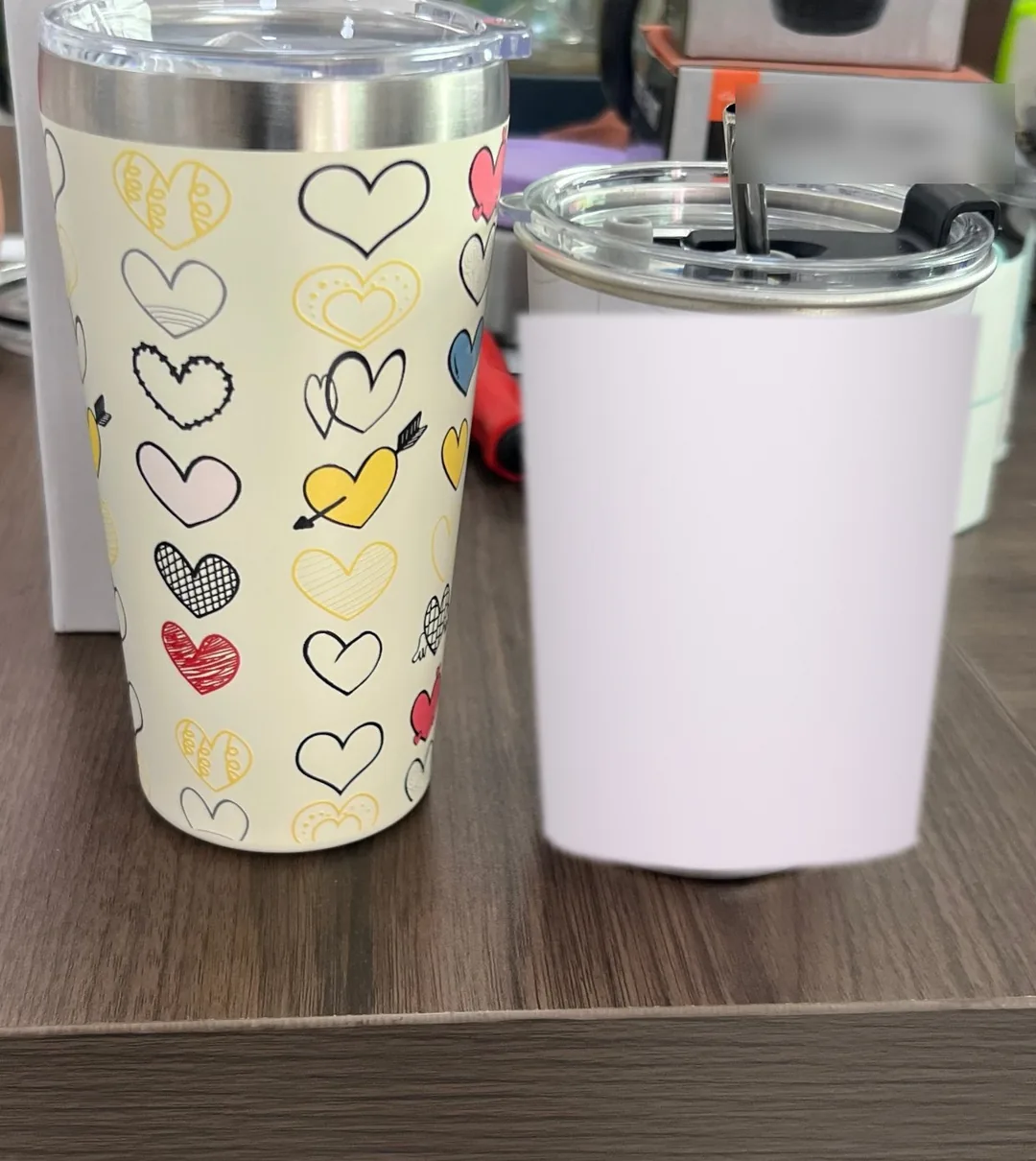
That is why "double wall" and "vacuum insulated" are not interchangeable on a spec sheet. A double wall bottle without a vacuum looks almost the same from the outside but behaves differently in use. See custom water bottles.
How do the three builds compare?
Choose by what the drink needs to do, then by weight.
| Question | Single wall | Double wall, air gap | Double wall, vacuum |
|---|---|---|---|
| Keeps drinks hot or cold? | No | A little | Yes, far longer |
| Outside with a hot drink | Gets hot | Warm | Near room temperature |
| Outside with an iced drink | Wet with condensation | Less condensation | Usually stays dry, as the outer wall stays near room temperature |
| Steel and process | One shell, fewest steps | Two shells joined | Two shells, plus vacuum sealing and insulation testing |
| Weight | Lightest | Heavier (two shells) | About the same as air gap |
| Freezer or fridge | Possible, as there is no vacuum layer | Possible, as there is no vacuum layer | No, per BG Drinkware's after-sales guidance |
| At BG Drinkware | Available | Made to order | Standard insulated build |
If the drink is finished soon after filling, insulation adds weight without much benefit, and a single wall bottle may be enough. If the drink must stay hot or cold for hours, choose vacuum. A non-vacuum double wall build sits in between.
For cups rather than bottles, see stainless steel cups.
Why does a vacuum gap keep drinks hot or cold?
Heat moves three ways, and a vacuum gap almost removes two of them.
The U.S. Department of Energy describes three ways heat moves: conduction through materials, convection through air movement, and radiation. A single steel wall conducts heat straight through. An air gap slows heat a lot compared with bare steel, because still air conducts heat poorly, but the air still conducts some heat across the gap and radiation crosses it too. A vacuum has almost no air to conduct or carry heat, so only radiation and the small paths through the neck and lid remain.
Heat passing through a solid, such as a steel wall.
Almost eliminated across the gapHeat carried by moving air.
Almost eliminated across the gapHeat given off as infrared energy across a space.
Not blocked by the vacuumFor a longer explanation, including why the mouth and lid are the weak points, see how insulated water bottles work.
How does BG Drinkware build and test a vacuum bottle?
A 304 inner wall, a 201 outer wall, and an insulation test on every unit.
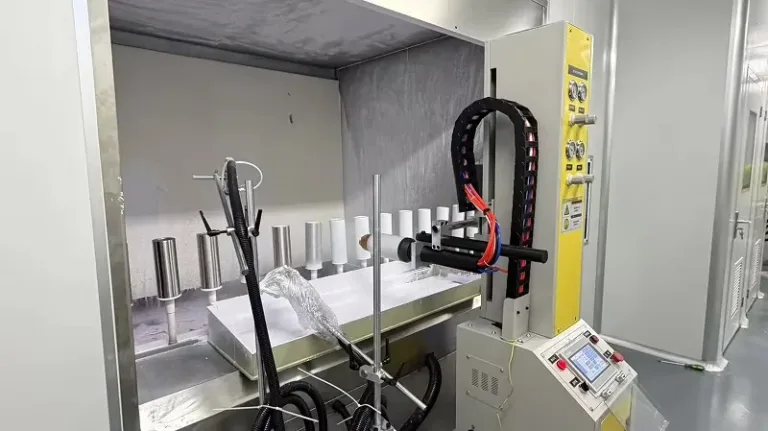
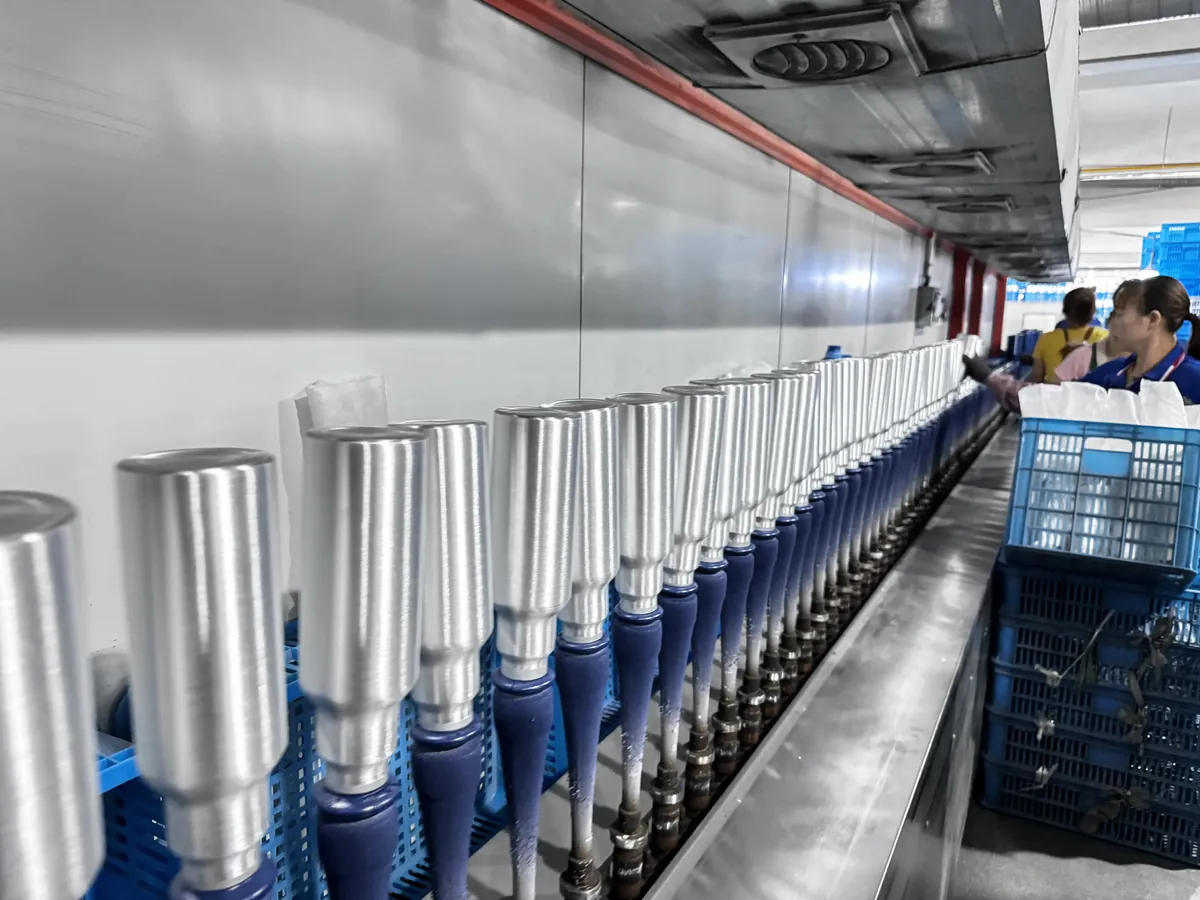
BG Drinkware's standard vacuum bottle uses a 304 stainless steel inner wall and a 201 outer wall. The inner wall can be upgraded to 316 and the outer wall made in 304 for an order; the grade guide 18/8 vs 304 vs 316 explains when each makes sense, using SSINA grade data. Before shipping, every vacuum bottle is tested on a temperature-testing machine, unit by unit rather than by sample. How many times each bottle is tested depends on the customer's requirements.
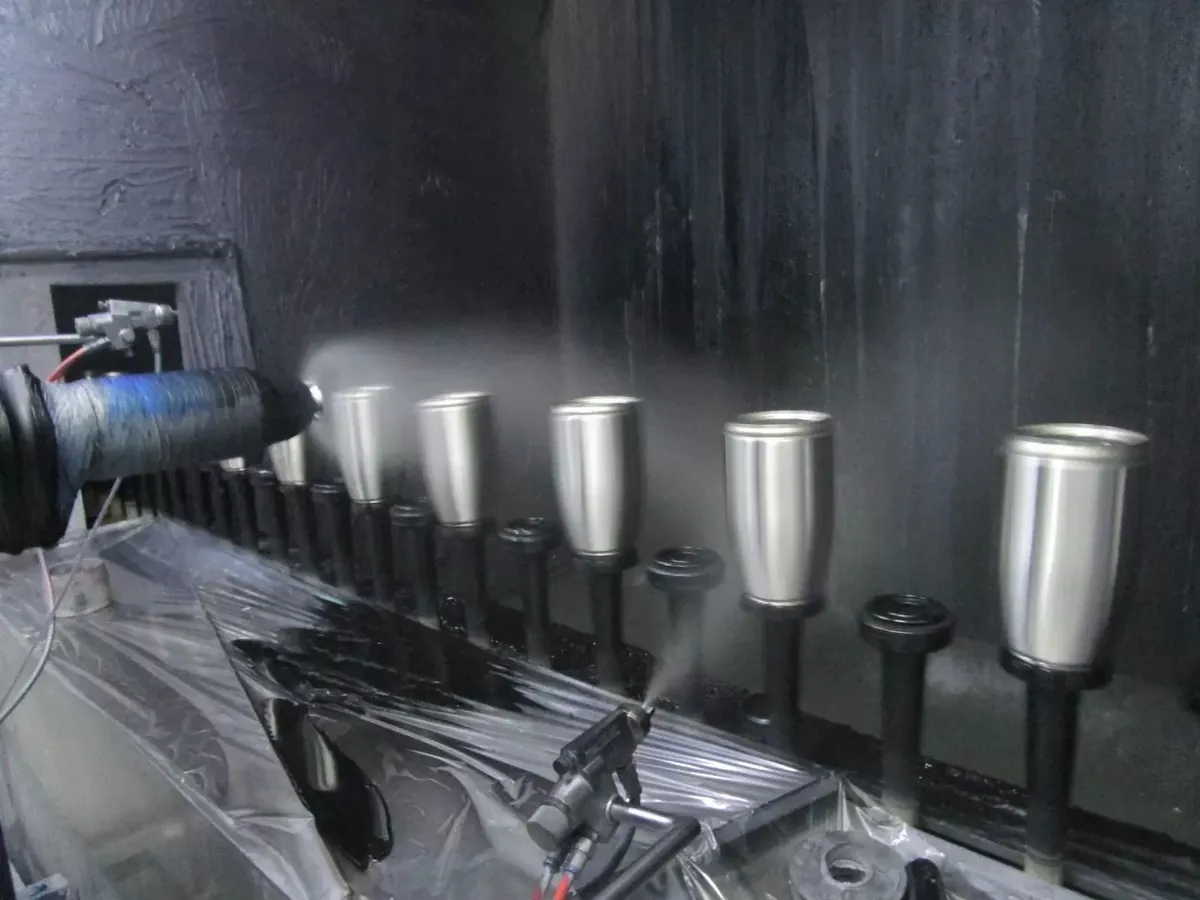
BG Drinkware also makes single wall bottles, and non-vacuum double wall builds on order. State the wall build in the request so the quotation, sample and inspection plan all describe the same bottle.
What stops a vacuum bottle from insulating?
Freezing and hard drops are the usual causes, and a lost vacuum cannot be repaired.
BG Drinkware tells customers not to put vacuum bottles in the freezer or the fridge. The vacuum layer blocks the cold, so the drink does not chill effectively, and the temperature difference can harden the lid seal, damage the vacuum layer or deform the inner wall. A hard drop can also break the vacuum seal. Once the vacuum is gone, the bottle behaves like a non-vacuum double wall bottle and cannot be repaired.
When a bottle loses its vacuum, BG Drinkware sends replacement units to its brand customers. For the at-home checks a user can run, see how to tell if a bottle has lost its vacuum and can you put a stainless steel bottle in the freezer.
What should the order say about the wall build?
Name the build, the grade of each wall and the test you expect.
- Wall build: single wall, double wall with an air gap, or double wall vacuum.
- Steel grade by wall: for example a 304 inner wall and a 201 outer wall, or 316 inside for a premium line.
- Insulation test: the method and how many times each bottle should be tested, if you need more than the standard check.
- Use and care: if the bottle must go in a freezer or fridge, it needs a build without a vacuum layer.
- The usual quote details: capacity, quantity, model, colour, logo method, packaging, payment terms and trade terms.
BG Drinkware's standard minimum order is 500 pieces and negotiable, and some models start from 100 pieces per colour. A sample of an existing model takes up to 7 days, and bulk production takes 7–12 days after sample approval. For capacity planning, see choosing water bottle sizes for your product line.
Double wall and vacuum bottle FAQ
Is a double wall bottle the same as a vacuum insulated bottle?
Not necessarily. Every vacuum insulated bottle has a double wall, but a double wall bottle is only vacuum insulated if the air has been removed from the gap and the gap sealed. With air in the gap, the bottle insulates far less. Check that the product listing or spec sheet says "vacuum" and not only "double wall".
Do double wall bottles sweat?
A vacuum insulated bottle usually stays dry on the outside with an iced drink, because the outer wall stays near room temperature. A single wall bottle sweats because its outer surface gets cold and water condenses from the air. A double wall bottle with an air gap falls in between, with less condensation than a single wall bottle.
Can a single wall stainless steel bottle hold a hot drink?
It can hold one, but the outside gets hot to touch and the drink cools quickly, because one steel layer conducts heat straight through. For hot drinks, a vacuum insulated bottle is the better choice, as it stays comfortable to hold. A single wall bottle works better for cold water or drinks finished soon after filling.
Can you put a double wall vacuum bottle in the freezer?
No. BG Drinkware advises customers not to put vacuum bottles in the freezer or the fridge. The vacuum layer blocks the cold, so the drink does not chill well, and the temperature difference can harden the lid seal, damage the vacuum layer or deform the inner wall. Only drinkware without a vacuum layer can go in the freezer.
Does BG Drinkware make single wall bottles?
Yes. BG Drinkware's standard insulated build is a double wall vacuum bottle, and it also makes single wall bottles and, on order, non-vacuum double wall builds. Send the wall build, steel grade for each wall, capacity, quantity and decoration, and the quotation and sample will be prepared for that construction.
Sources
Not sure which wall build fits?
Tell us the drink, the use and the capacity. Send them to BG Drinkware and we will reply with a quotation for the matching wall build and steel grades.