Personalized Water Bottles for Kids: A Bulk Buying Guide for Brands and Schools
Personalized kids water bottles sell on character and colour, but a bulk order is won or lost on the lid, the material and the testing behind it. Here is what to specify before you order.
By Feng, Head of After-Sales Service & Online Marketing Lead
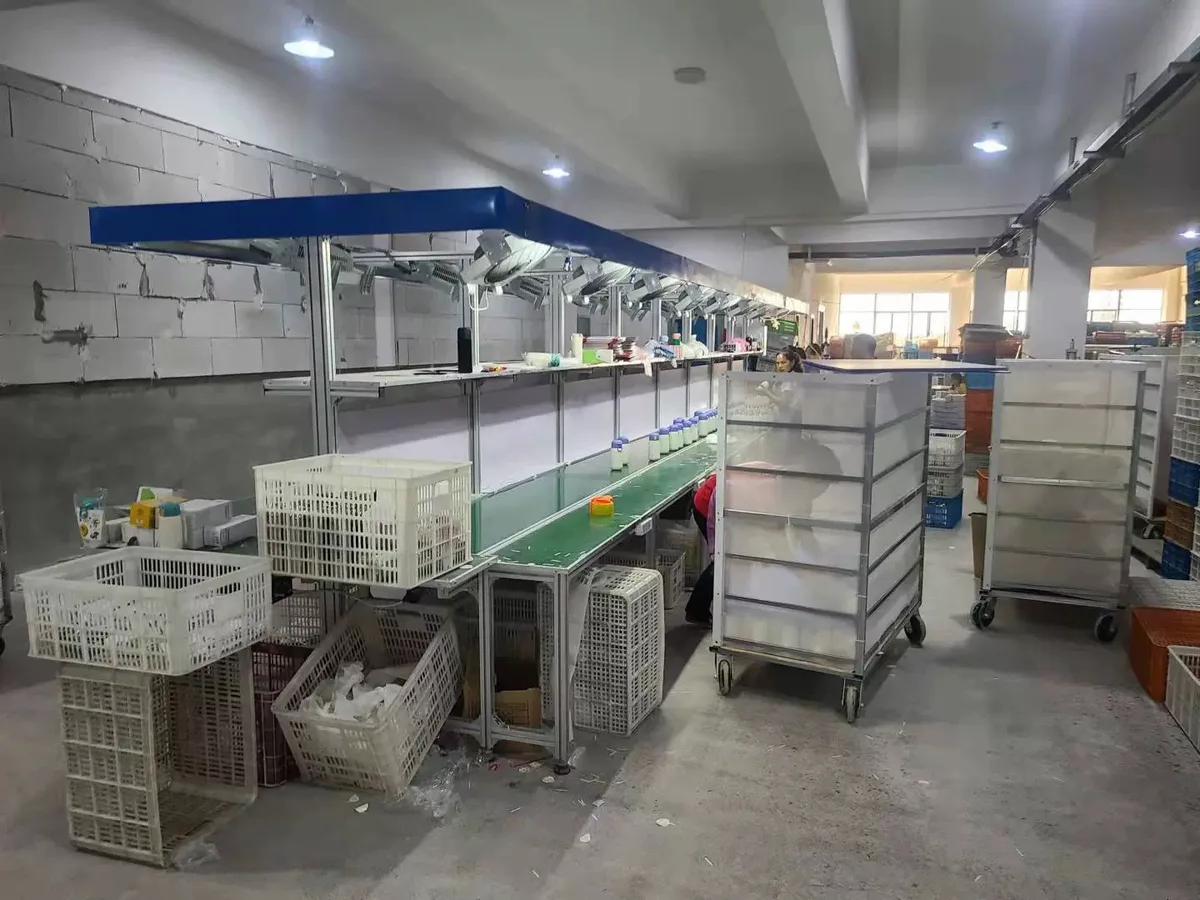
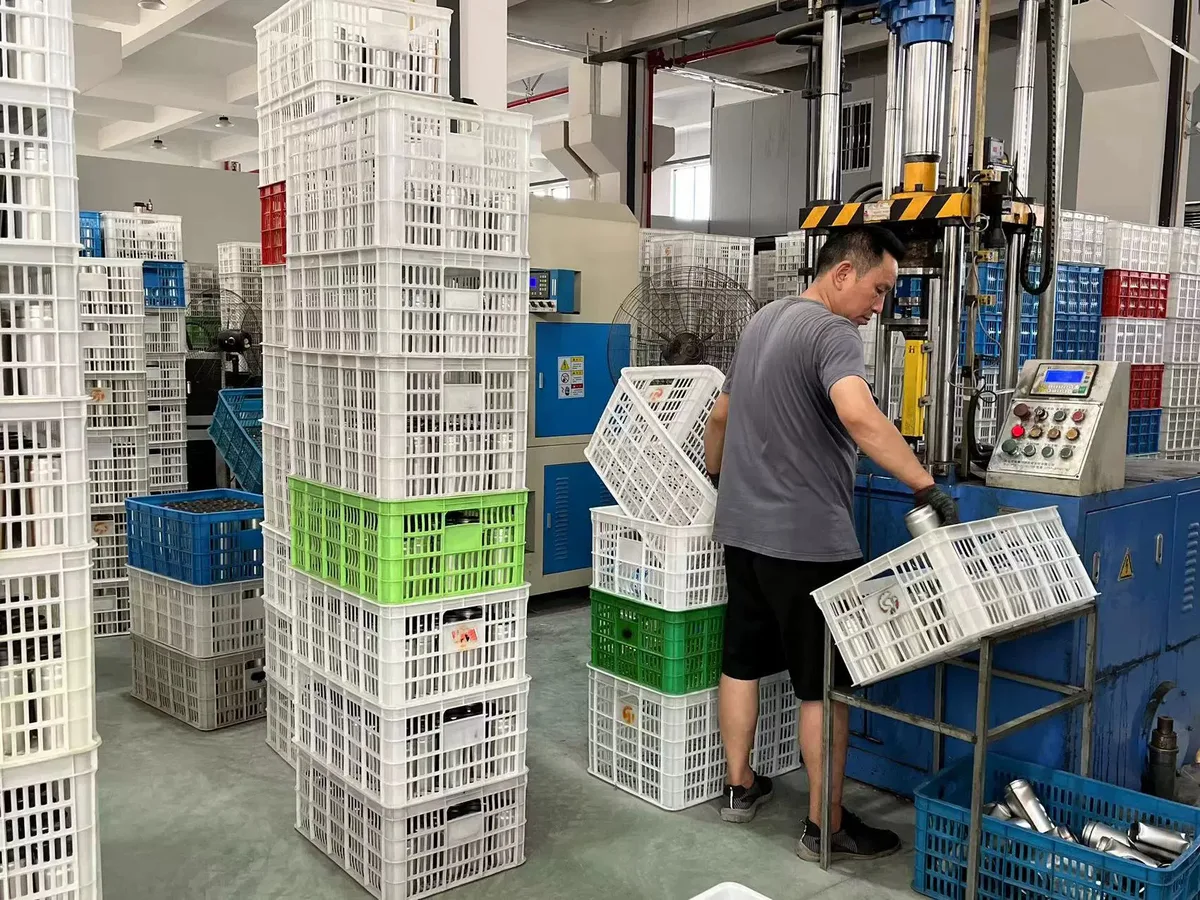
Personalized water bottles for kids are bottles made in a brand's or school's design, colours and logo, usually with a child-friendly lid such as a soft spout or straw. For a bulk order, specify five things: the body material, the lid and its parts, the capacity for the child's age, the decoration, and the safety testing your market requires. BG Drinkware, a drinkware manufacturer in Yongkang, China, makes kids cups and bottles from 280 ml to 800 ml in plastic, stainless steel and titanium, including shaped designs such as animals, vehicles and a TV-shaped bottle. Safety testing is arranged to the buyer's requirements, so name the standard you need on the order. A different name on every bottle is possible, but it costs much more, and the price depends on how complex the design is. The standard minimum order is 500 pieces per model and colour, negotiable, and a sample of an existing model takes up to 7 days. Lower minimums for some start-up teams need an order-specific quotation. Each name has a separate MOQ. BG usually declines individual-name runs because of labour costs; confirm acceptance and pricing first. Different logos are counted separately for MOQ.
Which material suits a kids water bottle?
Choose by age and use. Plastic bottles are light and cheap to replace, vacuum stainless steel keeps drinks cool and survives the school bag, and titanium is the lightest metal option. Each material changes the weight, the price and the testing you will need, so settle it before you choose a design.
| Material | Suits | Example BG models |
|---|---|---|
| Plastic | Younger children, low weight, shaped designs | 480 ml easy-clean bottle |
| Stainless steel | Cold drinks, daily school use | 620 ml kids bottle with straw; 550 ml 316 stainless steel bottle; 500 ml school bottle with dual-sip lid and strap |
| Titanium | Lightest metal option, premium ranges | 500 ml titanium bottle |
Stainless steel models use a 304 inner wall and a 201 outer wall as standard, with a 316 inner wall or 304 outer wall on request. For the steel grades, see 18/8 vs 304 vs 316 stainless steel; for plastics, see BPA-free water bottles in bulk.
Which lid works best for children?
The lid matters more than the body for young children. A soft spout or straw is easier for small hands and mouths, a flip cap suits older children, and a strap helps the bottle survive the school day. Check every lid part, because seals, straws and spouts are what wear out first.
- Soft spout. For the youngest children; see the 480 ml bottle with soft spout.
- Straw lid. Easy to drink from without tipping; see the 12 oz kids cup with silicone straw.
- Flip or push-button cap. For older children who can open a catch.
- Strap or handle. Shaped bottles such as the 700 ml TV-shaped bottle come with a shoulder strap.
Plan spare straws and seals from the start, because these are the parts parents ask for. Straw materials include PP, SK copolyester, Tritan, silicone and stainless steel. See lid, seal and straw checks and replacement water bottle lids.
What capacity should a kids bottle be?
Match the capacity to the child's age and the time between refills. Smaller bottles from about 280 ml suit young children and short outings, while 500–800 ml bottles suit older children and a full school day. A bottle that is too big gets heavy when full and is left at home.
BG Drinkware's kids range runs from a 280 ml cup to 800 ml bottles. Capacity is listed brim-full, and some designs are calculated to the thread position, so ask which method a figure uses before you print it on packaging. For school programmes split by age, see water bottles for schools.
For the smallest sizes, see toddler water bottles.
How can kids water bottles be personalized?
There are two levels. Most orders use one design for every bottle: your colours, your logo or character and your packaging. A different name on each bottle is also possible, but it costs much more, and the price depends on how complex the design is, so ask for a quote for both.
| Option | What it means | Cost |
|---|---|---|
| One design for all | Same colour, logo and artwork on every bottle | Standard bulk pricing |
| Name on every bottle | Each bottle carries a different name or text | Much higher; depends on design complexity |
Logo method depends on the surface: bare stainless steel takes screen printing or laser marking but cannot be UV printed, while coated bottles can also take UV printing. For more on individual names, see personalized tumblers in bulk.
For adult and corporate bottles, see personalised water bottles.
What testing does a kids water bottle need?
It depends on where the bottle is sold and who it is sold to. Many markets treat products for young children more strictly than general drinkware. BG Drinkware arranges testing to the buyer's requirements, so name the standard on the purchase order and approve the tested sample before bulk production starts.
Every vacuum bottle is also temperature-tested unit by unit before shipping, with the number of test rounds set by the buyer. For what to verify on plastic parts, see BPA-free water bottles, and for metal, lead-free tumblers. For school programmes, see water bottles for schools.
How do you order personalized kids bottles in bulk?
Send the model, capacity, material, lid, colours, artwork, packaging and the testing you need. The standard minimum order is 500 pieces per model and colour and negotiable; lower quantities for some start-up teams need individual approval. A sample of an existing model takes up to 7 days, and bulk production takes a reference 7–12 days from receipt of the deposit, subject to timely approvals.
See the full range on our kids water bottles and cups page, or read how sampling works before you approve a design.
For how finished bottles are inspected before shipping, see quality control.
For smaller steel bottles in bulk, see custom small stainless steel water bottles.
For a tumbler rather than a bottle, see the kids tumbler guide.
Kids water bottle FAQ
Short answers to the questions brands, retailers and schools ask most about personalized kids water bottles: materials, names on each bottle, testing, the right size for each age and minimum order. Each answer uses the facts and product details set out in this guide.
Can each kids bottle have a different name?
Yes, but it costs much more than one design for the whole order, and the price depends on how complex the design is. Ask for a quote for both options before you decide, and send the names as a spreadsheet with one row per bottle.
Is stainless steel or plastic better for a kids bottle?
It depends on age and use. Plastic is lighter and cheaper to replace, which suits young children. Vacuum stainless steel keeps drinks cool and lasts longer in a school bag. BG Drinkware makes both, plus a 500 ml titanium bottle for a lighter metal option.
Do your kids bottles come with safety test reports?
Testing is arranged to the buyer's requirements. Tell us the market and the standard you need on the purchase order, and the bottles are sent for testing to that requirement. Approve the tested sample before bulk production, and keep the report with your product records.
What is the minimum order for custom kids water bottles?
The standard minimum order is 500 pieces per model and colour and negotiable; lower quantities for some start-up teams need individual approval. A sample of an existing model takes up to 7 days, and bulk production takes a reference 7–12 days from receipt of the deposit, subject to timely approvals.
Planning a kids bottle range?
Send the capacity, quantity, model, colour, logo method, packaging, payment terms and trade terms for a quotation.