How to Clean a Stainless Steel Water Bottle (and What to Put on Your Care Card)
A stainless steel bottle stays fresh with warm soapy water, a brush and a dry lid. Most smells and mould start in the lid and seal, not the steel. Here is the routine, the deep clean, what to avoid, and how brands should word their care instructions.
By Feng, Head of After-Sales Service & Online Marketing Lead
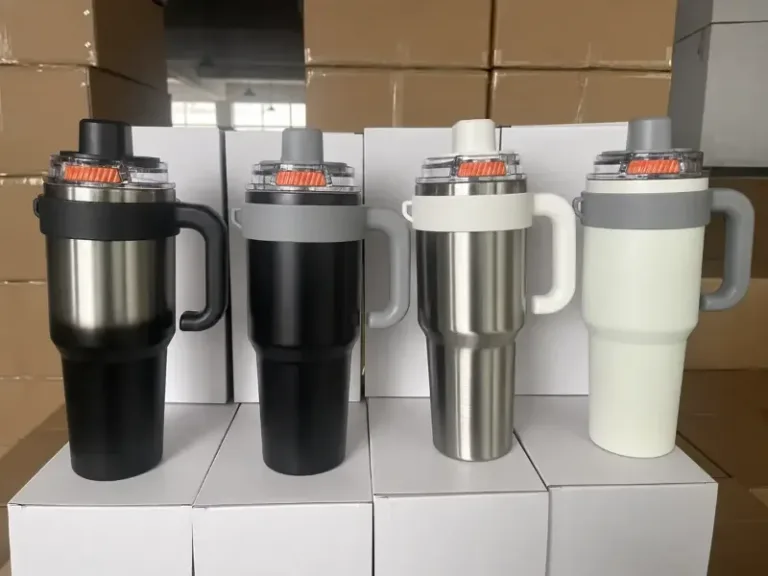
To clean a stainless steel water bottle, take the lid apart, wash the bottle, lid, seal and straw in warm water with washing-up liquid, scrub the inside with a bottle brush, rinse well and leave every part to air-dry before you reassemble it. For smells or coffee and tea stains, soak the bottle for 15 to 30 minutes with a spoonful of baking soda in warm water, or a mix of white vinegar and water, then rinse. Avoid bleach and other chlorine cleaners, steel wool and harsh abrasives, which can mark or corrode stainless steel. BG Drinkware, a drinkware manufacturer in Yongkang, China, makes bottles with a 304 stainless steel inner wall as standard, with coated outer finishes, removable seals and straw lids, so the same routine applies to most of its models. The lid and silicone seal need the most attention, because that is where residue and mould collect. Never put a vacuum bottle in the freezer or fridge.
How do you clean a stainless steel water bottle every day?
Wash it the same day you use it, and take the lid apart every time. Warm water, washing-up liquid and a long bottle brush do most of the work. The step people skip is drying: a bottle closed while damp is the usual start of smells and mould.
- Empty and take apartRemove the lid, the silicone seal, the straw and any infuser or spout parts.
- WashUse warm water and washing-up liquid. Scrub the inside with a bottle brush and the straw with a thin straw brush.
- Clean the sealWash the seal and its groove in the lid, where drink residue collects.
- RinseRinse every part well with clean water.
- Dry openStand the bottle upside down and the parts apart until fully dry, then reassemble.
Lids with fewer parts are quicker to clean. For how lid design affects cleaning, see easy-to-clean water bottles and water bottle lid types.
How do you remove smells and stains?
Coffee, tea and sports drinks leave stains and smells that a quick wash may not shift. A soak loosens them. Use one method at a time, rinse thoroughly afterwards, and leave the bottle open to dry. Soak the lid parts separately so the seal is reached as well.
| Problem | What to use | How |
|---|---|---|
| Coffee or tea stains | Baking soda | A spoonful in warm water; soak, then brush and rinse |
| Stale smell | White vinegar and water | Soak for a while, then rinse well until no vinegar smell remains |
| Residue in the seal groove | Small brush or cotton bud | Remove the seal and clean the groove underneath |
| Straw build-up | Straw brush and warm soapy water | Push the brush through from both ends |
If you find dark spots on the seal or in the straw, treat it as mould; see mould in a water bottle for what to do and when to replace the part. For spare seals and lids, see replacement water bottle lids.
For why a new bottle smells, see why does my water bottle smell?, and for brown marks, rust spots or tea stains.
What should you never use on a stainless steel bottle?
Avoid bleach and other chlorine-based cleaners, steel wool and harsh abrasive powders. The Nickel Institute's cleaning guidance for stainless steel warns that chlorine compounds left on the surface may cause corrosion, and that steel wool can leave particles that cause rust staining.
- No bleach. Chlorine cleaners can pit or stain stainless steel if left on it.
- No steel wool. Use a soft brush or sponge instead.
- No harsh abrasives on coatings. They dull powder-coated, painted and printed finishes.
- No freezer or fridge. Do not put an insulated bottle in the freezer or fridge.
For why vacuum bottles should not be frozen, see can you freeze a stainless steel water bottle.
Can a stainless steel bottle go in the dishwasher?
It depends on the finish, not the steel. A bare stainless steel body copes with a dishwasher better than a printed or coated one, but heat and strong detergent can dull a coating or fade a logo over many cycles. Follow the care label, and hand-wash if in doubt.
Brands that want to print "dishwasher safe" should test the finished bottle, including the coating and the logo; BG Drinkware can run dishwasher tests to the buyer's requirements. See dishwasher-safe water bottles and why printed logos rub off.
What should a brand put on its care card?
A short care card prevents most complaints about smells, stains and lost insulation. Keep it to a few lines that match the bottle you sell: how to wash, what to avoid, and how to dry. Approve the wording with the sample, so it matches the lid and finish you ordered.
- Wash before first use and after each use; take the lid apart.
- Hand-wash recommended, unless your own tests support a dishwasher claim.
- Do not use bleach, steel wool or abrasive cleaners.
- Do not put in the freezer, fridge or microwave; air-dry with the lid off.
Care instructions can go on the colour box or an insert, because packaging is set per order. See packaging and can stainless steel go in the microwave.
Planning a branded run?
If you are building a bottle range, put the cleaning instructions and a care card into the packaging specification. See custom water bottles. The standard minimum order is 500 pieces, negotiable.
Cleaning FAQ
Short answers to the questions people ask most about cleaning stainless steel water bottles: how often to wash, how to remove smells, whether bleach is safe and how to clean the straw. Each answer follows standard stainless steel care and BG Drinkware's own product details.
How often should you clean a stainless steel water bottle?
Wash it after each day of use, and take the lid, seal and straw apart each time. A bottle used only for water still needs a daily wash, because residue builds up in the seal. Give it a baking soda or vinegar soak whenever it starts to smell.
How do you get the smell out of a stainless steel bottle?
Soak it in warm water with a spoonful of baking soda, or in a mix of white vinegar and water, then brush and rinse well. Clean the lid seal separately, because smells usually come from the seal rather than the steel. Always dry the bottle fully with the lid off.
Can you use bleach on a stainless steel water bottle?
It is best not to. Chlorine cleaners such as bleach can pit or stain stainless steel if left on the surface, and stainless steel cleaning guidance advises against them. Baking soda, white vinegar and washing-up liquid clean a bottle without that risk, as long as you rinse well afterwards.
How do you clean a water bottle straw?
Remove the straw and push a thin straw brush through it from both ends in warm soapy water, then rinse and let it dry fully. Silicone straws can be soaked with baking soda if they smell. Replace a straw that has dark spots inside, because mould is hard to remove completely.
Sources
Need care instructions for your own bottles?
Send the capacity, quantity, model, colour, logo method, packaging, payment terms and trade terms, and tell us what the care card should cover.