Custom Insulated Water Bottles: What to Specify So Performance Matches the Claim
An insulated bottle is sold on one promise: it keeps drinks hot or cold. A custom order has to protect that promise through every choice, from steel grade and lid to lining, coating and testing. Here is what to specify, what changes the price and timing, and how to check performance.
By Feng, Head of After-Sales Service & Online Marketing Lead
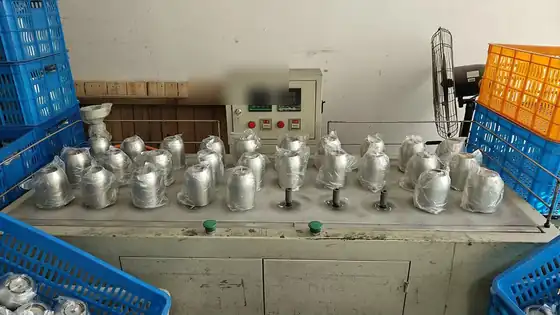
To order custom insulated water bottles, specify the steel of each wall, the lid, any inner lining, the outer finish and logo, and how heat retention will be tested, then write all of it into the order. The vacuum between the walls does most of the insulating, but the lid is the main path for heat to escape, so a bottle is only as good as its closure. State any “keeps hot” claim with its test conditions, measured on the exact model you sell. BG Drinkware, a drinkware manufacturer in Yongkang, China, builds insulated bottles from 120 ml to 4,000 ml with a 304 stainless steel inner wall and a 201 outer wall as standard, or 316 inside and 304 outside on request. It checks heat retention with 95°C water measured after 6 hours, or the buyer’s own method, and temperature-tests every vacuum bottle before shipping.
What should a custom insulated bottle specification include?
Every part that touches insulation, safety or appearance: both walls, the lid, any lining, the finish, the logo and the test. Write each one down, because two bottles that look the same in a photo can differ in all of them. A quote is only comparable when it describes the same build.
| Item | What to state | BG Drinkware standard |
|---|---|---|
| Inner wall | Steel grade | 304; 316 on request |
| Outer wall | Steel grade | 201; 304 on request |
| Lid | Type, materials, seal | By model |
| Lining | None or ceramic | Ceramic adds 2–3 days to production |
| Finish and logo | Coating, colour reference, logo method | Laser or screen print from about USD 0.035, UV from about USD 0.20 |
| Test | Heat retention method and vacuum check | 95°C water, measured after 6 hours; every vacuum bottle temperature-tested |
For steel grades, see 18/8 vs 304 vs 316; for ceramic linings, ceramic coated tumblers.
Why does the lid decide how well a bottle insulates?
Because heat cannot cross the vacuum between the walls by conduction or convection, so it escapes mainly through the lid. A thin or poorly sealed lid can undo a good vacuum body. Choose the lid for the use, then test heat retention with that exact lid fitted.
A straw or spout lid is convenient for cold drinks but has more openings than a sealed screw cap. If hot drinks matter, test with the lid you will actually ship. How insulated water bottles work explains the vacuum, and water bottle lid types compares closures.
How do you check that custom bottles really insulate?
With two different checks: a heat-retention test on samples and spot checks on bulk, and a vacuum check on every unit. At BG Drinkware the heat-retention test fills the bottle with 95°C water and measures it after 6 hours, unless the buyer sets another method. Every vacuum bottle is temperature-tested before shipping.
- Agree the methodStarting temperature, time, room conditions and fill level, written into the order.
- Test the sampleRecord the result on the approved sample with the production lid.
- Check bulkSpot-check heat retention on bulk and confirm the unit-by-unit vacuum check.
A bottle that has lost its vacuum cannot be repaired; see how to tell if a bottle has lost its vacuum and how heat retention is tested.
What changes the price and lead time of custom insulated bottles?
The build and any new parts, more than the quantity. A ceramic lining, a straw lid or a full-colour print each add cost, and a ceramic lining adds 2–3 days. A new lid mould costs from about USD 10,000 to 40,000 and takes about 35 days, so start from an existing model where you can.
On an existing model, a sample takes up to 7 days and bulk production 7–12 days after approval. The standard minimum is 500 pieces per colour, negotiable, with some models from 100 pieces per colour. For model choice and colour mixes, see water bottles in bulk; for cost detail, custom drinkware costs.
How should you word an insulation claim?
State the measured result and its conditions, on the model you sell. “Keeps drinks hot for 12 hours” is only defensible if a test supports it; a temperature after a stated time from a stated starting temperature is clearer and easier to stand behind. Use the result from your approved sample, not a generic figure.
Add care advice that protects the vacuum: no freezing and no hard drops, because both can cause a bottle to lose its vacuum. See can you freeze a stainless steel water bottle and the quality control process.
Custom insulated water bottle FAQ
Short answers to the questions brands and promotional buyers ask before ordering custom insulated bottles. They reflect BG Drinkware’s production practice and testing for vacuum-insulated stainless steel bottles.
Is every insulated bottle tested?
At BG Drinkware, yes: every vacuum bottle is temperature-tested before shipping to catch any unit that has lost its vacuum, and the buyer sets the number of rounds. The 6-hour heat-retention test is separate and runs on samples and bulk spot checks.
Does a ceramic lining improve insulation?
The vacuum does the insulating; a ceramic lining changes the surface that touches the drink. It adds cost and 2–3 days to production, so choose it for the drinking surface you want, and test the finished bottle.
Which steel should an insulated bottle use?
BG Drinkware’s standard is a 304 inner wall and a 201 outer wall, with 316 inside and 304 outside on request. Name the grade of each wall in the quote, because “stainless steel” alone does not say which.
What sizes can be made?
BG Drinkware makes insulated drinkware from 120 ml to 4,000 ml. For a general audience, 500 to 750 ml is the usual middle; see the water bottle range.
This guide is based on BG Drinkware’s production practice and testing for insulated bottles. Related guide: how vacuum insulated bottles are made.
Specifying a custom insulated bottle?
Send the capacity, steel grades, lid, lining, finish, logo, test method, quantity per colour and trade terms.