Water Bottle Cleaning Tablets: Are They Safe for Stainless Steel Bottles?
Use a cleaning tablet only if its label and the bottle manufacturer’s care instructions allow it. Check lids, seals and finishes separately, then rinse as directed. See the stainless steel bottle cleaning guide before writing a care card for a bulk order.
By Feng, Head of After-Sales Service & Online Marketing Lead
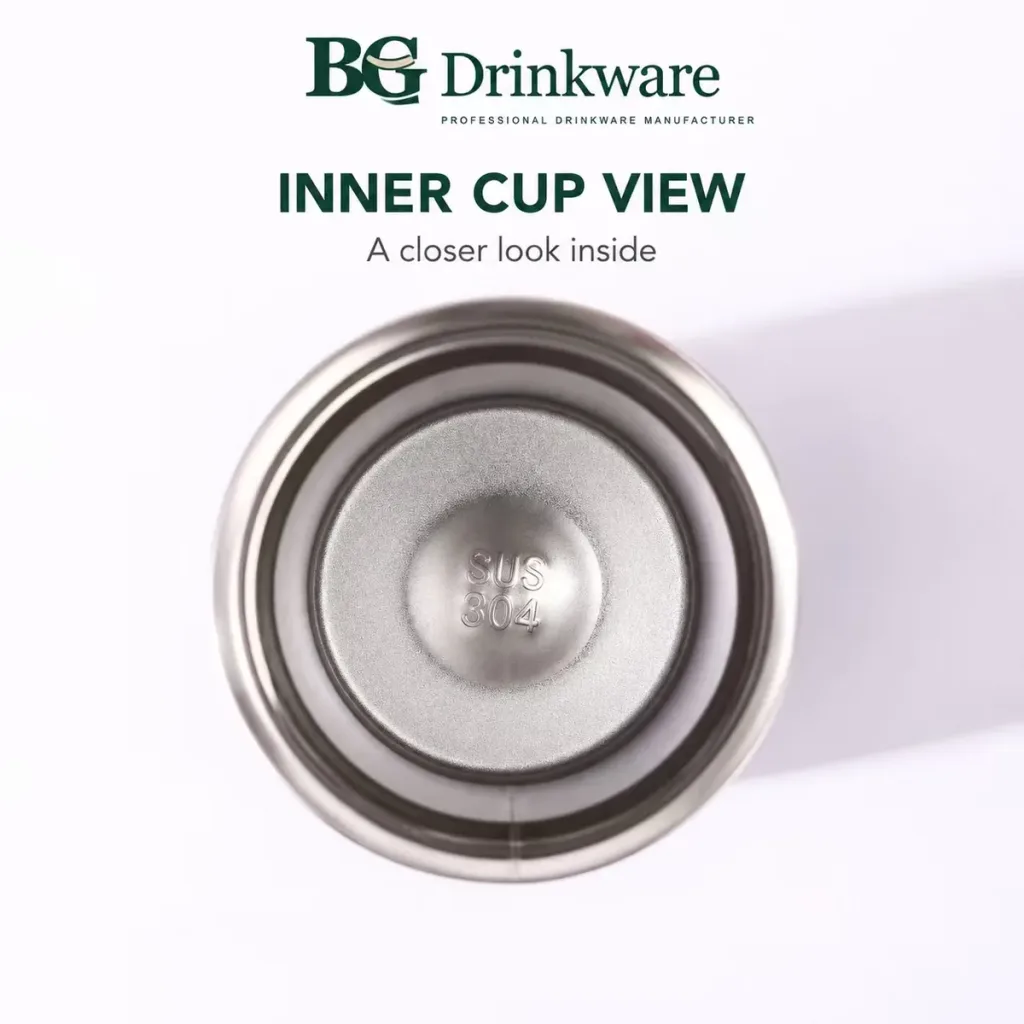
Cleaning tablets are generally fine for stainless steel bottles when used as the label directs: dissolve one in water at the stated temperature, soak the interior for the stated time, then rinse thoroughly, and do not leave a bottle soaking overnight. Check the product label first, because ingredients and contact times differ. Many tablets are effervescent and use oxygen-releasing or citric-acid ingredients to loosen tea, coffee and biofilm stains. Avoid chlorine-based products and bleach on steel, because chlorides left in contact can cause pitting and rust spots, and never mix bleach with vinegar or other acids. Keep electronic lids, printed exteriors and silicone seals out of the soak, and clean lid threads with a brush, because a tablet does not replace one. BG Drinkware, a drinkware manufacturer in Yongkang, China, suggests printing the cleaning method on the care card so customers use products that suit the finish.
What do water bottle cleaning tablets do?
They fizz in water and lift the film that builds up inside a bottle: tea and coffee tannins, protein from smoothies and the biofilm that causes smells. The bubbles reach places a brush misses, such as the base corner.
They do not remove physical damage, scale in gaps or rust spots, and they do not reach inside lid parts that are sealed shut. Read the label for the active ingredient, the water temperature and the contact time, because products differ.
Are cleaning tablets safe for stainless steel?
Yes, when the ingredient and contact time suit steel. Oxygen-based and citric-acid tablets used for the stated time and rinsed well are the usual low-risk choice. Chlorine-based products are the ones to avoid.
Stainless steel resists corrosion through a thin surface layer, and prolonged contact with chlorides can break it down and leave pits or brown spots. Do not leave a bottle soaking overnight, do not mix cleaners, and rinse until no smell or taste of the tablet remains. See why stainless steel bottles rust if spots have already appeared.
Which parts should stay out of the soak?
Anything with electronics, any printed or coated exterior that the care instructions do not cover, and removable silicone seals. Soak the inside of the bottle, not the whole product.
- Lids with electronicsWipe them clean and follow the supplier’s instructions. Do not soak a lid that contains a display or battery unless the instructions say it is safe.
- Silicone seals and strawsRemove them, wash them separately and brush straws. Residue sits in the gaps a tablet cannot reach.
- Printed or coated exteriorsKeep long soaks away from the outside. Dishwasher and soak resistance should be confirmed on the sample; see whether stainless steel is dishwasher safe.
How do you use a cleaning tablet step by step?
Follow the tablet label first. The routine below suits most stainless steel bottles with a standard lid.
- 1. Take it apartRemove the lid, seal, straw and any filter.
- 2. DissolveFill the bottle with water at the temperature on the label and drop in the tablet.
- 3. SoakLeave it for the stated time, no longer.
- 4. Brush and rinseScrub the threads and base, then rinse several times until clear.
- 5. DryAir dry upside down with the lid off.
For day-to-day washing, see how to clean a stainless steel water bottle; for smells and growth, why a water bottle smells and mould in a water bottle.
What should a care card say for bulk orders?
It should name the safe cleaning methods and the unsafe ones in plain words. A short card reduces complaints about stains, smells and rust spots that are really caused by the wrong cleaner.
List: hand wash or dishwasher (confirmed on the sample), tablet use and soak time, no bleach or chlorine products, no mixing cleaners, remove seals and straws, rinse well. For ranges that are easy to clean by design, see easy-to-clean water bottles and dishwasher-safe water bottles.
BG Drinkware’s usual minimum is 500 pieces per model and colour, with each logo counted separately, and a sample of an existing model takes up to 7 days, which leaves time to test your care instructions before the bulk order.
What do cleaning tablets not fix?
Dents, scratches, worn coating, failed seals and loss of insulation. A tablet cleans the inside surface; it does not repair the bottle.
If a bottle that was once insulated now feels cold on the outside when it holds a hot drink, read why an insulated bottle loses its vacuum. Cleaning the inside does not affect the sealed vacuum layer between the walls.
Water bottle cleaning tablet FAQ
Can I use denture tablets in a water bottle?
Some people do, but they are not made for bottles. If you advise customers, point them to products labelled for bottles, avoid anything chlorine-based, and rinse well afterwards.
How often should I use a cleaning tablet?
Follow the product label. A daily rinse and regular hand or dishwasher washing handle most bottles, and tablets are for stains and smells that washing does not remove.
Will a cleaning tablet remove rust spots?
No. Rust and pitting are changes to the surface, not residue. A tablet can remove film around them, but spots should be checked on the sample and the cause investigated.
Do tablets harm the insulation?
Cleaning the inside does not reach the sealed vacuum layer, so insulation is not affected by correct tablet use. Damage to the bottle, such as a dent that breaks the vacuum, is a separate issue.
This guide is general care advice. Always follow the cleaner’s label and the care instructions for your own model. Related guide: how to clean a stainless steel water bottle.
Want a care card for your bottle range?
Send the model, finish and lid type and we can list what the samples should be tested for.