What Is a Tumbler? The Cup, Its Parts and What Buyers Specify
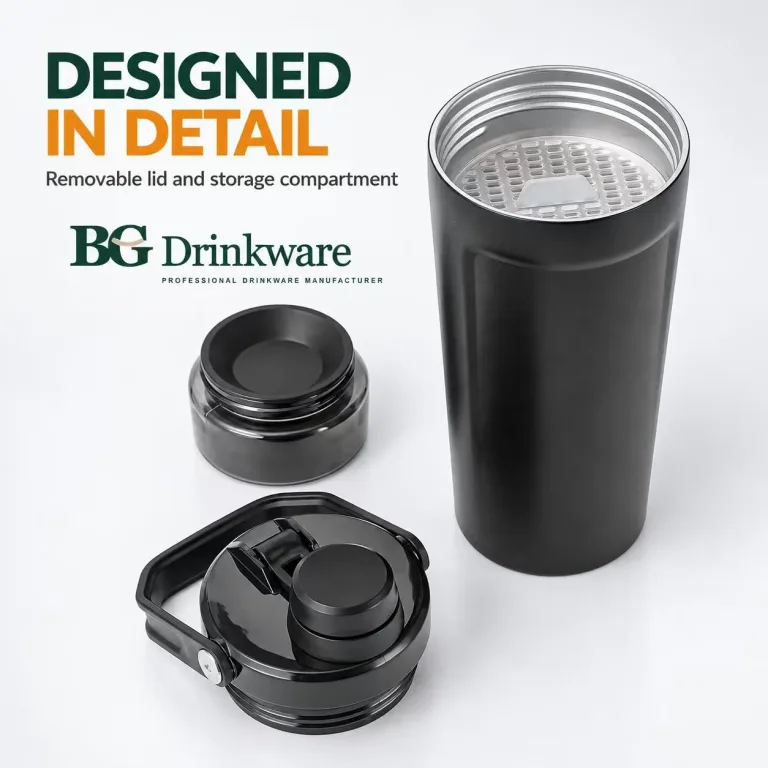
A tumbler is a stemless drinking cup. Travel tumblers usually have a wide mouth and a lid. Insulated models add a double-wall body and may have a straw or handle. See the tumbler parts diagram below.
- Modern drinkware: a stemless, handle-optional cup with a wide mouth and a lid, often vacuum insulated, used for hot or cold drinks on the move.
- Glassware: a flat-bottomed drinking glass with no stem or handle.
What is a tumbler cup?
A tumbler cup is a stemless drinking cup with a wide mouth, a flat base and usually a removable lid, designed to be held in the hand rather than carried by a neck like a bottle. In current retail and promotional drinkware, a tumbler most often means a double-wall stainless steel cup with vacuum insulation, a press-fit lid and sometimes a straw or a side handle; the same word still names a plain flat-bottomed drinking glass. Common sizes run from about 12 oz (355 ml) for a coffee cup to 40 oz (1,183 ml) for an all-day cold-drink tumbler, converted at 29.5735 ml per US fluid ounce. BG Drinkware manufactures the insulated kind, with a standard 304 stainless steel inner wall that touches the drink and a 201 stainless steel outer wall. A buyer specifying a custom tumbler names the capacity, lid type, handle, outer finish and logo method, then approves a physical sample, which takes up to 7 days on an existing BG Drinkware model.
BG Drinkware manufactures the insulated kind, so the rest of this guide uses “tumbler” in that sense.
What are the parts of an insulated tumbler?
An insulated tumbler is an assembly of seven main parts, and each one is specified separately on a factory order.
- StrawPlastic or stainless steel, fitted through the lid.Specify material, length, outside diameter and how it seats in the lid. See straw sizing for 40 oz tumblers.
- LidPress-fit or threaded, with a slider, flip spout or straw opening.Specify the opening type, lid materials and gasket. Compare options in our lid types guide.
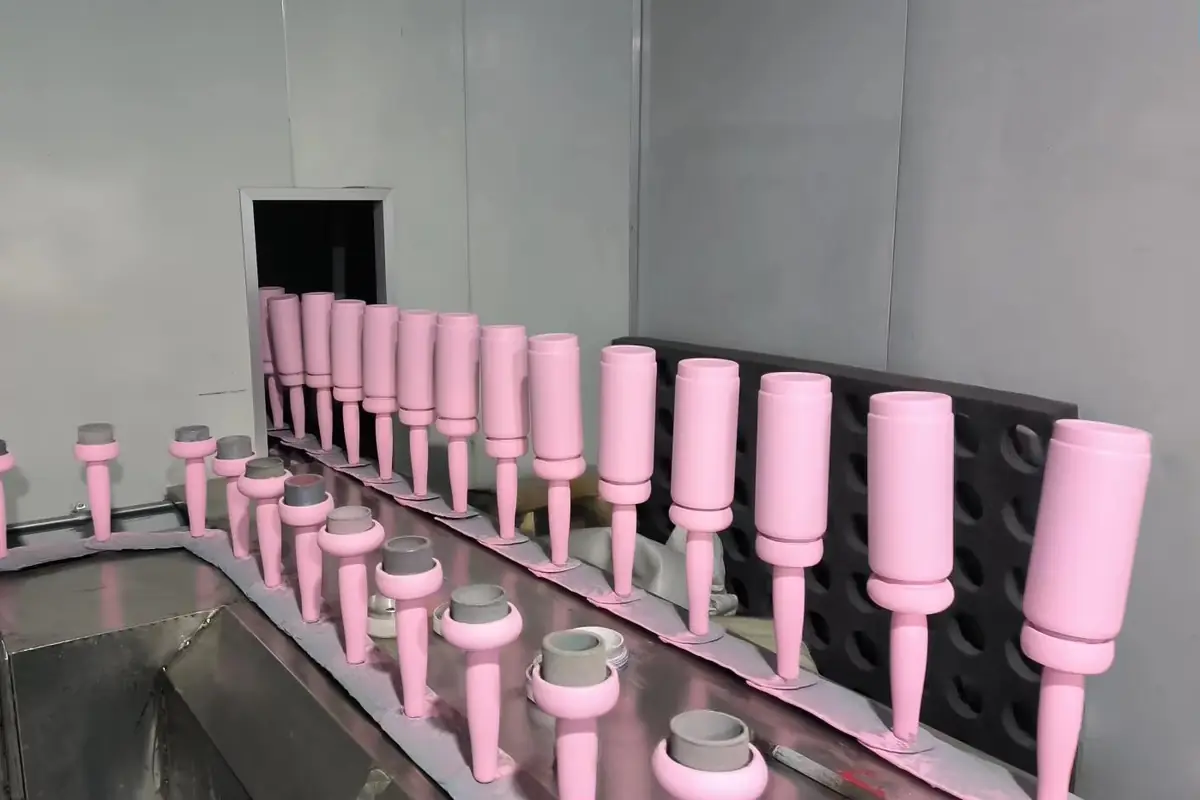
- Outer wallThe visible stainless steel shell that carries the coating and logo.Specify finish, colour and decoration method.
- Inner wall and vacuum gapThe wall the drink touches, with the air removed from the space behind it.This is what keeps drinks hot or cold. See how vacuum insulation works.
- Handle (optional)Attached to the outer wall, often on welded brackets.Specify shape and attachment. See choosing tumbler handles.
- Tapered lower sectionA narrower base many large tumblers use so they fit a car cup holder.Confirm the base diameter against the cup holders your customers use.
- Base padA silicone or plastic pad that protects surfaces and reduces noise.Pad fit affects stability. See why tumblers wobble.
For straw materials, see silicone vs stainless steel vs plastic straws.
How is a tumbler different from a water bottle, a mug or a glass?
A tumbler sits between a mug and a water bottle: it travels like a bottle but drinks like a cup, through a wide mouth or a straw.
Tumbler
- Mouth
- Wide, under a lid
- Lid
- Slider, flip or straw lid
- Wall
- Usually double-wall, vacuum insulated
- Best for
- Coffee or cold drinks on the move, desk and car
Water bottle
- Mouth
- Narrow or medium neck
- Lid
- Screw cap or spout, often carry loop
- Wall
- Single or double wall
- Best for
- All-day water, carrying in a bag
Mug
- Mouth
- Open rim
- Lid
- Usually none
- Wall
- Usually single wall, ceramic or enamel
- Best for
- Hot drinks at a desk or at home
Glass tumbler
- Mouth
- Open rim
- Lid
- None
- Wall
- Single-wall glass
- Best for
- Water, juice or spirits at the table
Swipe sideways to compare all four.
The lid is the real dividing line. A bottle closes at a narrow neck and is usually meant to travel upside down in a bag. Many tumbler lids, especially slider and straw lids, are designed for upright use and splash resistance. Whether a specific lid is leak-proof depends on its design, so check the leak test for the exact lid.
What is a tumbler used for?
A tumbler is used to keep a drink at temperature while you move around: coffee on a commute, iced drinks through a working day, water at the gym or in the car.
- Commute coffee
- Iced coffee and tea
- Water with a straw
- Car cup holder
- Gym and sports
- Corporate gifts
- Event and promotional merchandise
For brands, the tumbler’s large, plain wall is also its value: it carries a logo or full-wrap design in a place people see every day. That is why tumblers are a staple of corporate gifting and promotional programmes, and why the decoration method matters as much as the cup.
Why is it called a tumbler?
A tumbler is called a tumbler because the earliest drinking glasses with that name had rounded or pointed bottoms and would tumble over if set down before they were empty.
“If you set it down without draining the contents, it would tumble over and spill your beverage.”— The Old Farmer’s Almanac
Glasses later gained flat bottoms but kept the name. Modern insulated tumblers inherited the word for the same stemless, handleless cup shape, not for the wobble.
What sizes do tumblers come in?
Common tumbler sizes run from about 12 oz for coffee to 40 oz for cold drinks. Use the tumbler size chart to compare capacities, then check the height and base diameter for your model.
US fluid ounces converted at 1 fl oz = 29.5735 ml (NIST). A nominal size is not a measured brimful capacity.
For two of the most common sizes, see 20 oz and 30 oz tumblers.
What does a factory need to know to quote a custom tumbler?
To quote a custom tumbler, a factory needs the body, the lid and the decoration defined, not just the word “tumbler” and a capacity.
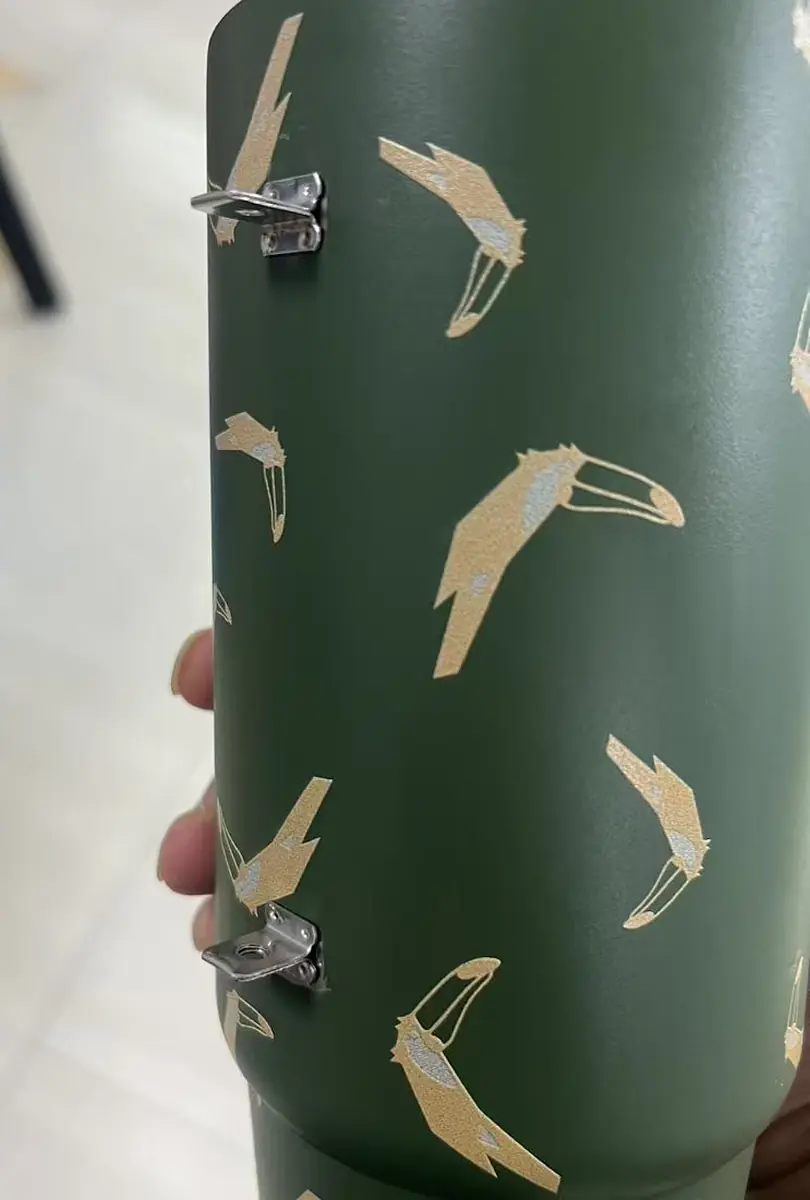
Each line changes the price and the sample. Our guide to how a tumbler factory builds a quote shows how each one moves the cost.
Planning a branded run?
If you are planning tumblers for a brand or a promotion, decide capacity, lid and finish first, then the logo method. Browse wholesale tumblers or see promotional tumblers. The standard minimum order is 500 pieces, and some models start from 100 pieces per colour.
Tumbler FAQ
What is the difference between a tumbler cup and a tumbler glass?
A tumbler glass is a flat-bottomed drinking glass without a stem or handle, used at the table. A tumbler cup usually means a lidded travel cup, often double-wall stainless steel, used on the move. Both share the stemless shape.
Is a tumbler the same as a thermos?
Not exactly. Both can use vacuum insulation, but a thermos-style flask usually has a narrow neck and a sealed screw cap for pouring, while a tumbler has a wide mouth and a sipping or straw lid for drinking directly.
Are tumblers leak-proof?
Some are, many are not. Slider and straw lids are often designed to resist splashes in upright use rather than to be carried upside down. Check the lid design and its leak test for the specific model.
What is a tumbler with a handle called?
It is usually still called a tumbler, often described by its size and handle, such as a 40 oz tumbler with handle. The handle is an added part attached to the outer wall.
Can a tumbler go in the dishwasher?
It depends on the finish, the decoration and the lid. A dishwasher claim has to be checked for the exact body, coating and lid, including any printed logo.
Sources
Planning a custom tumbler?
Send the size, lid, handle, finish and logo you have in mind. BG Drinkware will suggest a matching model and confirm the minimum order for it.