White Label Water Bottles: How They Differ from Private Label
White label and private label are often used as if they mean the same thing. They overlap, but the difference decides how much you change, how many you must order and how soon you can sell. Here is how the two compare, where OEM fits, and what to put in a first order.
By Feng, Head of After-Sales Service & Online Marketing Lead
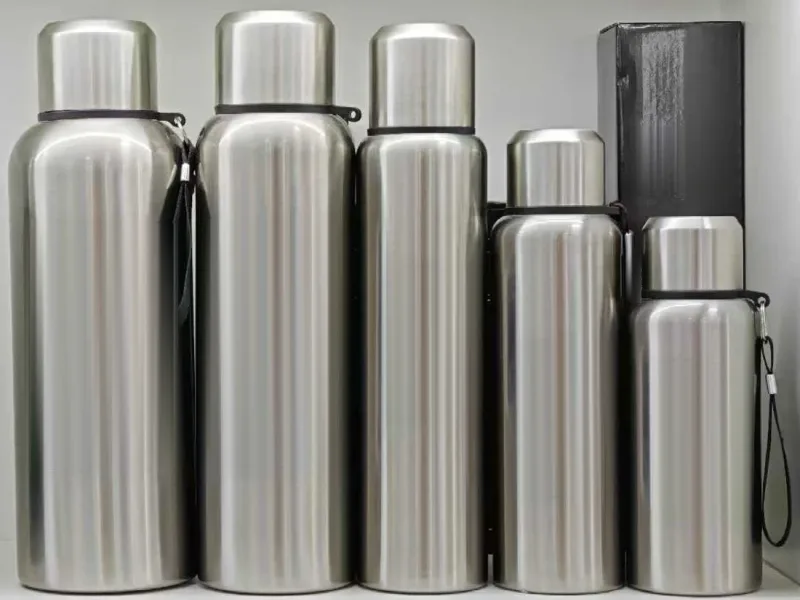
White label water bottles are an existing model made by a manufacturer and sold under another company’s brand, usually with little or no change to the bottle itself. Private label goes further: your colours, logo, packaging and labels on the manufacturer’s model, so it reads as your own product. OEM changes details such as the lid or finish, and ODM develops a new shape that needs tooling. White label is the fastest and smallest way to start; private label builds a brand customers can recognise. BG Drinkware, a drinkware manufacturer in Yongkang, China, supplies unbranded blanks from 300 pieces and branded private label bottles from 500 pieces, negotiable, with some models from 100 pieces per colour. A sample of an existing model takes up to 7 days, bulk production takes 7–12 days after approval, and BG Drinkware can add colour boxes and Amazon FNSKU labels.
What are white label water bottles?
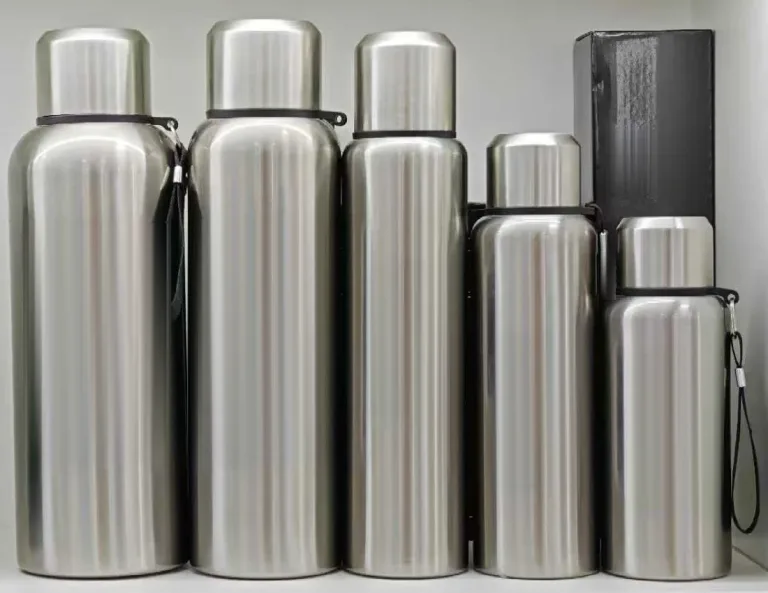
A white label water bottle is a manufacturer’s existing model, supplied without the maker’s branding so that a reseller can sell it under its own name. The bottle itself is unchanged: same body, lid and finish. The brand is added on the packaging or label, or the bottle is decorated after delivery.
Because the model is not exclusive, other sellers may offer a similar bottle. That is the trade-off for speed and a small first order. For a first range, a white label bottle lets you test a market before you invest in colours and packaging. See water bottles in bulk.
How do white label, private label and OEM differ?
They differ in how much changes. White label changes the name on the box; private label changes the colours, logo, packaging and labels on an existing model; OEM also changes parts such as the lid or finish; ODM creates a new shape. Each step adds time and raises the minimum order.
| Route | What changes | Starting quantity | First sample |
|---|---|---|---|
| White label | Your brand on the pack or label; bottle unchanged | Blanks from 300 pieces | Up to 7 days |
| Private label | Your colours, logo, packaging and labels | 500 pieces, negotiable; some models from 100 per colour | Up to 7 days |
| OEM | Existing model with a changed lid, finish or detail | Depends on the change | Depends on the change |
| ODM | A new shape or part that needs tooling | Set by the project | After development |
When does a white label bottle make sense?
When you need stock quickly, want to test demand, or will decorate the bottles yourself. Print shops and engravers often buy unbranded blanks and add names or logos in-house. Online sellers use white label bottles to launch a product page, then move to private label colours once sales justify the minimum.
Testing a market
A small first order before committing to colours.
Decorating in-house
Blanks for laser engraving, UV printing or sublimation.
Fast launch
An existing model and your packaging.
Gifts and events
A plain bottle with a branded sleeve or box.
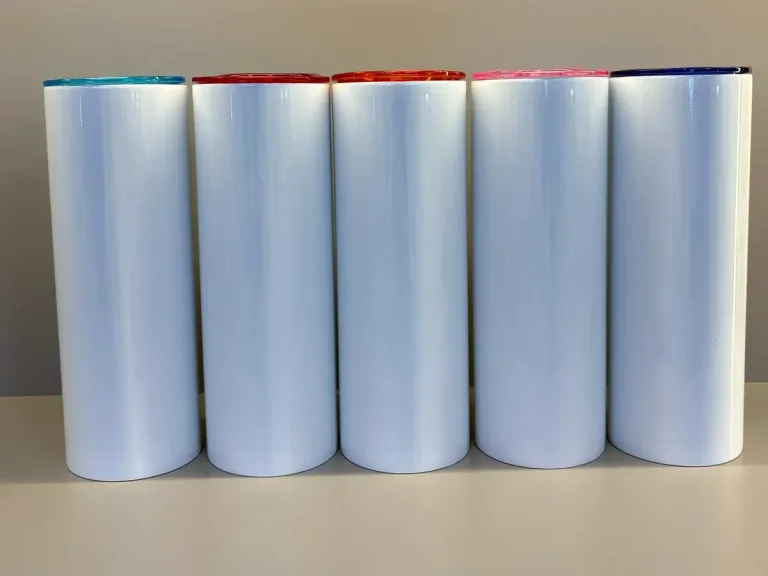
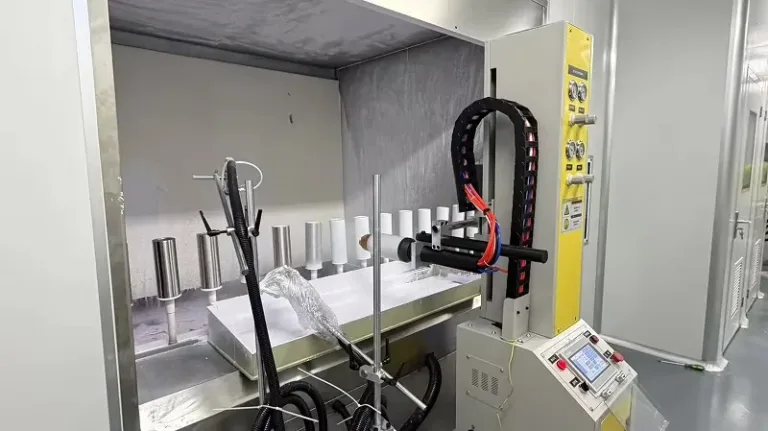
Choose the blank surface for your method: a powder coating suits laser engraving, and a sublimation coating suits heat transfer. See where to buy blanks and 32 oz blank bottles.
How do you make a white label bottle look like your own?
Through the parts that do not need a mould: the colour, the logo, the packaging and the labels. A colour box, a printed insert, a barcode label on the base and branded carton marks make a stock bottle read as your product. Changing the lid or the shape moves the project to OEM or ODM.
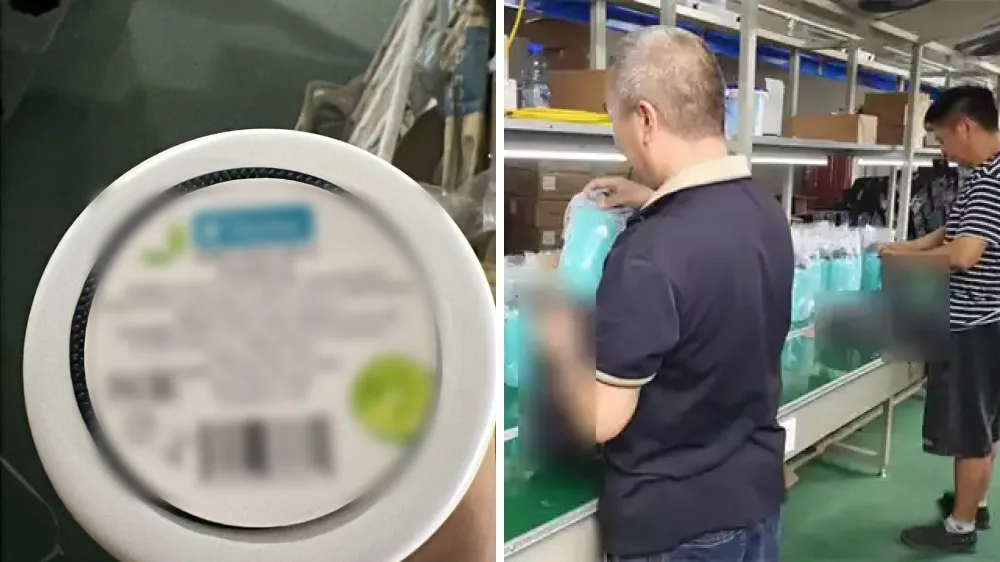
BG Drinkware can supply colour boxes and apply Amazon FNSKU labels, bag each unit and label cartons for Amazon warehouses. Approve a labelled, boxed sample before bulk. See packaging and Amazon FBA drinkware prep.
How do you keep white label reorders consistent?
Keep the approved sample as the reference, with its colour code, lid, logo file and packaging version, and order against it every time. Coating colour can vary slightly between batches, which is normal, so keep a reference unit and check new batches against it before you sell them.
Record the exact model name and product page with each order, because a similar-looking bottle from another batch or supplier may use a different lid or wall. See golden samples and repeat order setup charges.
What should a first white label order include?
Send the model, capacity, lid, finish or colour, whether the bottle is a blank or carries your logo, the packaging and labels, the quantity, the destination and the trade terms. Mark anything you may change later, so the quote shows what is fixed and what is optional.
- ModelProduct page, capacity and lid.
- BrandingBlank, or your logo with its method and position.
- Packaging and labelsBox type, barcode or FNSKU labels and carton marks.
- QuantityBlanks from 300 pieces; branded from 500, negotiable.
- TermsDestination, payment terms and trade terms; usually a 30% deposit and EXW Ningbo.
See water bottles and how minimum orders work.
White label water bottle FAQ
Short answers to the questions sellers ask most about white label and private label water bottles: minimum orders, adding a logo later, packaging and how long an order takes. The answers come from BG Drinkware’s private label and wholesale terms.
What is the minimum order for white label water bottles?
At BG Drinkware unbranded blanks start at 300 pieces. Branded private label bottles start at 500 pieces, and the minimum is negotiable, with some models from 100 pieces per colour. Custom packaging can carry its own minimum, so ask about the bottle and the box together when you request the quote.
Is white label the same as private label?
Not quite. White label usually means an unchanged existing model sold under your name, often with the brand only on the packaging. Private label adds your colours, logo, packaging and labels to the model so it reads as your own product. Both start from a manufacturer’s existing design.
Can I add my own logo to white label bottles later?
Yes, if you order blanks with a surface that suits your method. A powder coating suits laser engraving and UV printing, and a sublimation coating suits heat transfer on straight bodies. A blank sample is charged, and the charge is credited against the bulk order.
How long does a white label water bottle order take?
On an existing model, a sample takes up to 7 days, and bulk production takes 7–12 days after the sample is approved. Shipping time comes on top and depends on the route. BG Drinkware usually asks for a 30% deposit and quotes EXW Ningbo.
This guide is based on BG Drinkware’s private label and wholesale ordering terms. Related guides: private label coffee cups, personalised water bottles and manufacturer vs trading company.
Starting a white label range?
Send the model, capacity, lid, colour, blank or logo, packaging and labels, quantity, destination, payment terms and trade terms.