Water Bottles That Are Easy to Clean: What Bulk Buyers Should Inspect
By Feng, Head of After-Sales Service & Online Marketing Lead
A wide opening or dishwasher icon cannot tell the whole story. Check the chosen lid's seal channel, drinking path, removable parts and leak performance after reassembly—before committing to a bulk order.
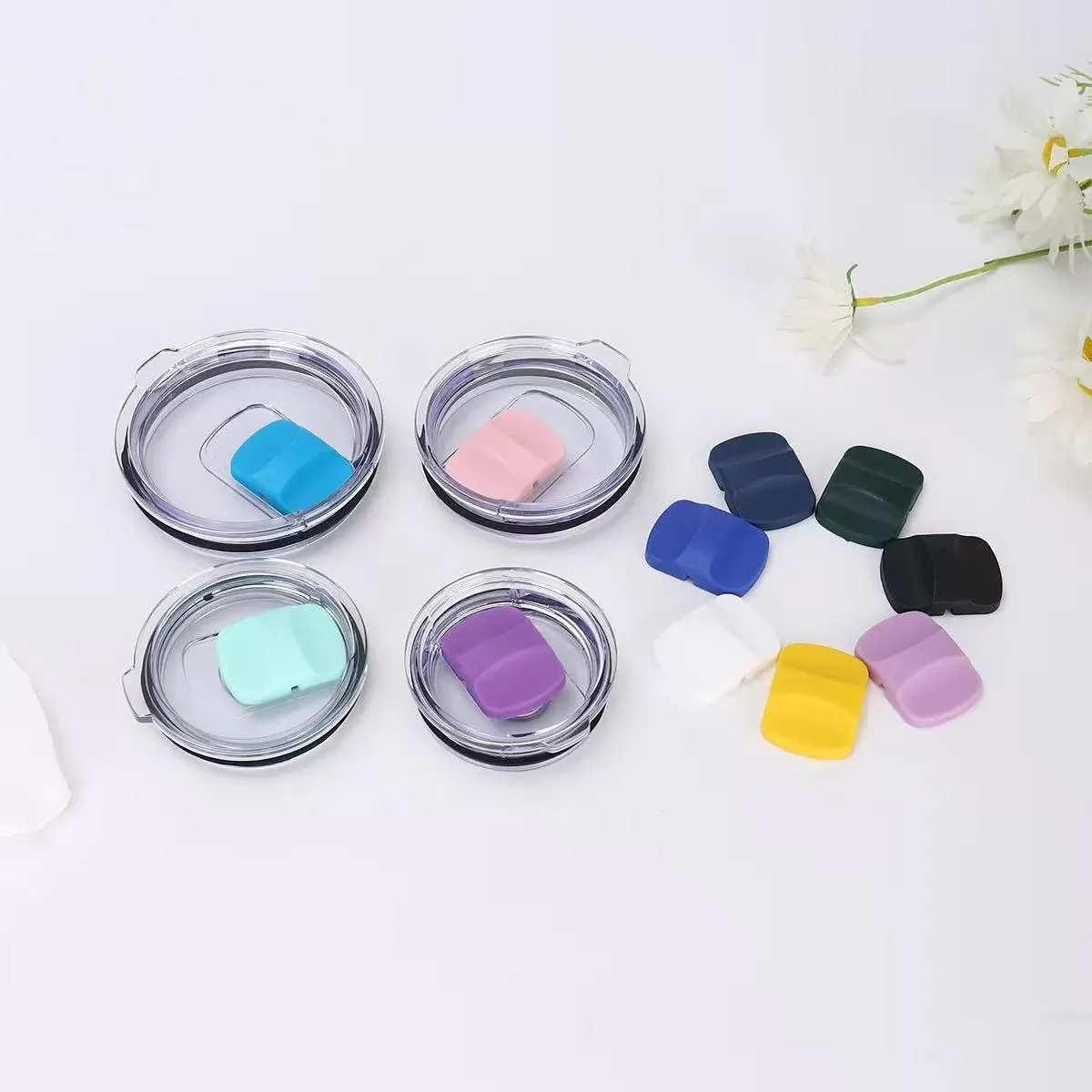
An easy-to-clean water bottle is a bottle whose drink-contact surfaces the user can actually reach, with a clear way to put the parts back correctly. In BG Drinkware's manufacturing experience, a simple sealing lid is generally easier to inspect than a lid with several hidden passages, and the seam between a seal and its lid is a frequent point to examine. This is experience, not a measured ranking. A buyer can check 4 areas on the sample: the seal-to-lid interface, the edge around the spout, the inside of any straw or passage, and the bottle mouth. The sample review then follows four steps: identify the exact lid revision, disassemble only the parts listed as removable, reassemble every part, and repeat the agreed leak check. On BG Drinkware's standard insulated build the inner wall is 304 stainless steel, and the food-grade silicone seals are sold separately; an existing-model sample takes up to 7 days.
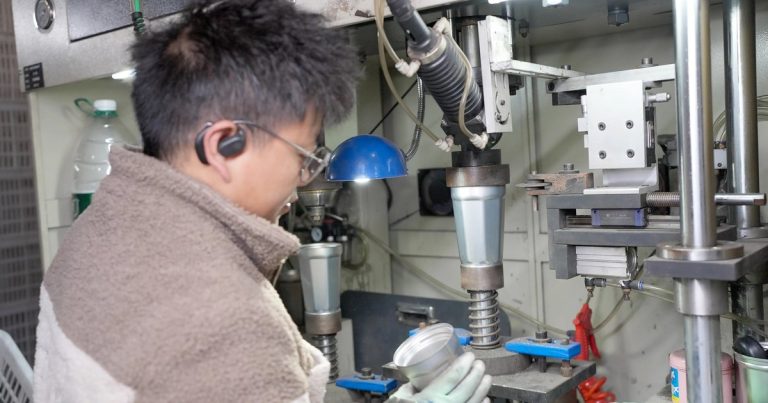
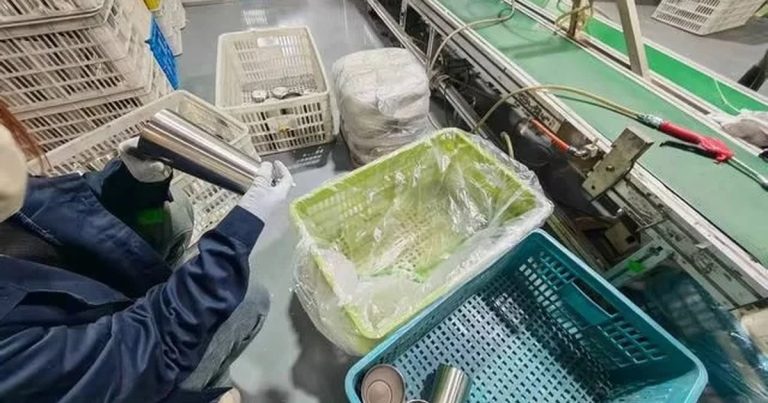
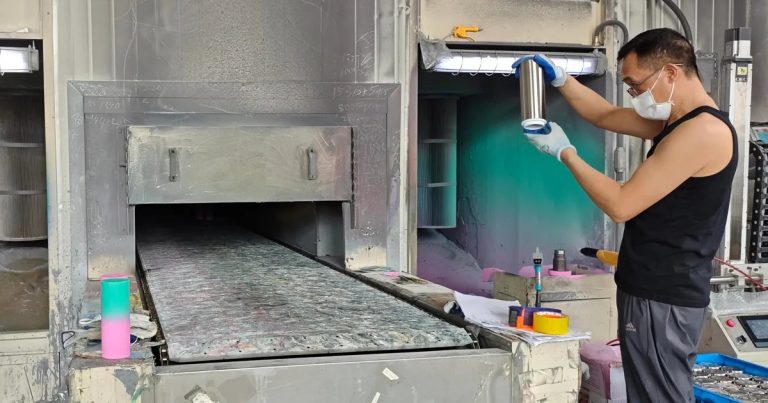
Manufacturer-review basis: The product-development and sampling practices below were supplied by BG Drinkware. These photos show examples of lid and accessory construction, not a single product or a cleaning test. They do not independently establish removability, cleaning results, dishwasher compatibility or sealing performance.
Where can a bottle be awkward to clean?
Start with the complete lid, not only the bottle mouth. In BG Drinkware's manufacturing experience, a simple sealing lid is generally easier to inspect, while the seam between a seal and its lid is a frequent point to examine. This is an experience-based design observation, not a measured cleanliness ranking across every bottle.
Can the buyer see and reach the interface between the seal and lid? If a seal is removable, can it be reseated correctly?
Inspect the edge and any concealed surface around the spout or sip opening on the selected lid.
Where a straw or internal passage exists, check whether its interior can be reached using the intended care method.
A wider mouth can make the bottle body more accessible, but it does not resolve a narrow lid passage. Ask the supplier to show the surfaces the user actually needs to reach, with the approved care instructions alongside the sample. For the full cleaning routine, see how to clean a stainless steel water bottle.
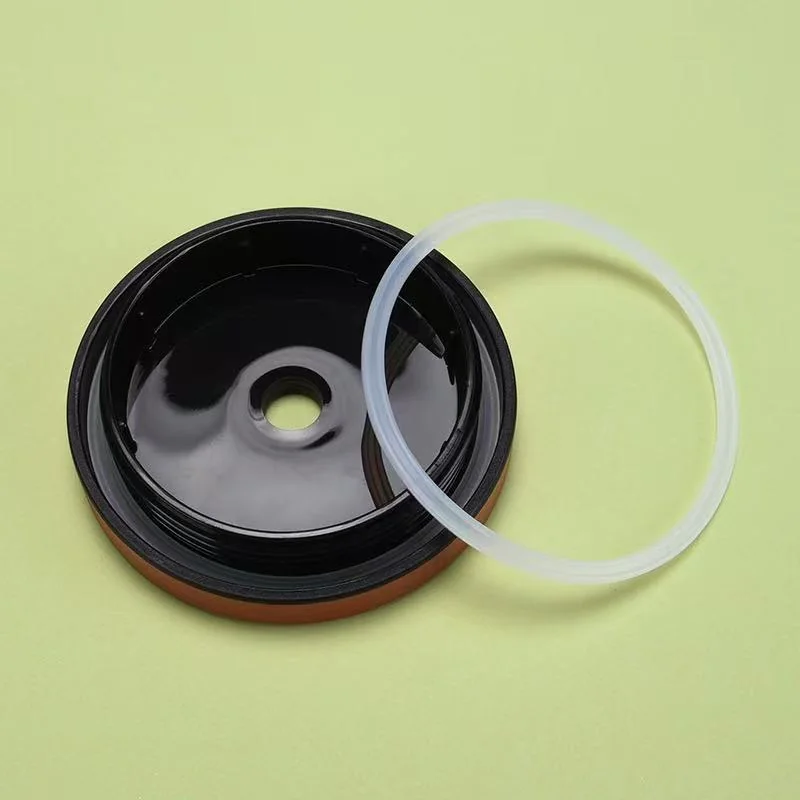
Which parts can be removed—and which cannot?
There is no site-wide answer. BG Drinkware says many applicable straw, spout and sealing components can be detached for cleaning, while some designs have non-removable parts. A product brief should therefore name the exact SKU, lid revision and part rather than say that “all lids are detachable.”
| Inspect on the selected model | Ask for a demonstration |
|---|---|
| Seal and lid interface | Show how the contact area is reached. If the seal is removable, demonstrate its removal and correct seating. |
| Drinking opening or spout | Show accessible faces and edges under the intended care instructions. |
| Straw or internal passage | Confirm whether it detaches and whether the inside can be cleaned by the proposed method. |
| Accessories and replacements | Identify what ships with this SKU, what may be ordered separately and which versions are compatible. |
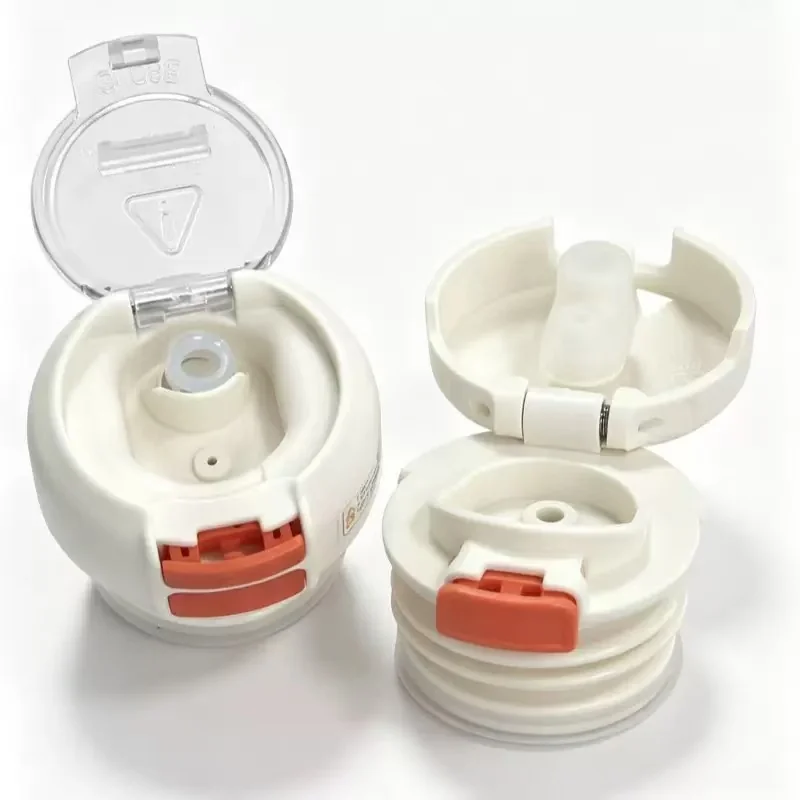
More removable pieces may improve access, but they also add steps and opportunities for missing or incorrectly installed parts. The relevant question is whether users can follow the care instructions and return the selected assembly to its approved condition.
What should a buyer do with the sample?
Perform the intended take-apart and put-back sequence on the approved sample. Check how each permitted part is identified, removed, reached for cleaning, dried as instructed and reinstalled. Note any piece that appears symmetrical but must face one way, and any step that would require a tool or force not available to the end user.
Match the sample to the intended bottle, lid and component revision.
Remove only the parts the care method says are removable.
Return every component to the correct position without guesswork.
Check leakage by the order's agreed method after reassembly.
BG Drinkware says its sample-stage review includes disassembly, reassembly and a leakage check after the parts are put back. The actual fill volume, handling method, duration and pass criterion still need to be agreed for the order. A clean-looking, newly assembled lid is not proof of leak performance after repeated consumer use; a sample check defines a design decision, not a lifetime guarantee.
Use the quality-control process to connect the selected sample with documented order criteria. If the lid is being newly tooled, confirm the right demonstration at each development stage before treating a hand-built sample as the final production configuration.
Is dishwasher-safe the same as easy to clean?
No. They answer different questions. Dishwasher compatibility describes an allowed care method for specified components under specified conditions. Cleaning access asks whether the user can reach and inspect the surfaces and passages of the actual assembly. A dishwasher-compatible lid can still include a hard-to-inspect seam; an easily hand-washed lid is not automatically dishwasher-safe.
BG Drinkware says many relevant models can be dishwasher-compatible, but buyers should verify the selected body, finish, lid, straw and accessories separately. Do not place one unqualified dishwasher icon on packaging if the approved care instructions differ across parts. The care claim, packaging copy and order specification need to describe the same configuration.
When is easy disassembly a custom tooling requirement?
Only when it is specified for that project. Easy-disassembly design is not a universal customer request at BG Drinkware. A buyer planning a newly tooled lid may, however, set cleaning access as an explicit design objective. Identify the intended removable parts, reachable seal channels, reassembly cues, care wording and post-reassembly leak check before the tooling decision.
Replacement straws or seals can be arranged by order. Confirm quantity, version compatibility and supply terms for the actual SKU; do not assume every bottle includes spares or that long-term inventory is guaranteed. No standard MOQ, tooling fee or lead-time promise can be inferred from this guide.
What belongs in an easy-clean bottle request for quotation?
Define the complete product and the care claim you expect to sell. A useful brief should let the factory demonstrate the selected assembly, not leave “easy to clean” as an untestable adjective.
- Bottle model, capacity and exact lid revision
- Intended beverage, use setting and target market
- Parts expected to detach and cleaning access required
- Approved care instructions for each component
- Sample disassembly and reassembly demonstration
- Post-reassembly leak method and pass rule
- Spare-part quantities and compatibility, if needed
- Order quantity, packaging and intended sales claim
Begin with the BG Drinkware product range and a named configuration. A sliding-straw bottle illustrates a drinking-path layout, but its listing is not an easy-clean rating. Confirm the actual sample and component details before comparing it with a simpler lid design.
Easy-to-clean water bottle FAQ
Are all removable lids easier to clean?
No. Removability helps only if the relevant surfaces can be reached and the user can reassemble the lid correctly. Judge the selected sample.
Can every BG Drinkware lid part be detached?
No. Many applicable components are removable, but some designs have fixed parts. Request a part-by-part answer for the exact model.
Does dishwasher compatibility prove the seal groove is clean?
No. Dishwasher suitability and access to a seam are separate questions. Review the physical lid and approved care instructions.
Are spare straws and seals standard?
Not universally. Their availability, quantity and exact compatibility are confirmed by order.
Turn “easy to clean” into a sample review.
Send the bottle and lid model, the parts users should remove, your care claim, order quantity and target market. BG Drinkware can review the sample, reassembly and order-specific check with you.