Insulated Bottle Rattling Inside? What Is Loose and What It Means
If the rattle comes from inside the walls rather than the lid, something inside the vacuum gap has usually come free. Here is what it is, how it affects insulation, how to check your bottle, and how a factory deals with it.
By Feng, Head of After-Sales Service & Online Marketing Lead
If the rattle comes from the body rather than the lid, the usual cause is a vacuum sealing bead that has come loose. During production, the air is drawn out of the gap between the two steel walls through a small hole in the base, and a sealing bead is melted in a vacuum furnace to close it. If the bead falls into the gap, it rattles when the bottle is shaken, and the insulation is affected, so drinks stay hot or cold for less time. It cannot be repaired; the bottle has to be replaced. BG Drinkware, a drinkware manufacturer in Yongkang, China, normally picks out bottles with a loose bead as defects before shipping. To check your own bottle, shake it with the lid off, then fill it with hot water and feel the outside wall.
What is rattling inside an insulated bottle?
Usually the vacuum sealing bead. A vacuum bottle is two steel walls joined at the rim, with the air drawn out of the gap through a small hole in the base. A bead is melted over that hole to seal it. If the bead comes loose, it can drop into the gap and move about.
Rattle from the body
Still there with the lid off: points to a loose sealing bead inside the walls.
Rattle from the lid
Stops with the lid off: a loose straw, slider or other lid part.
At BG Drinkware, the sealing beads are lead-free and the seal is made in a vacuum furnace. For how the vacuum is made step by step, see how vacuum insulated bottles are made, and for the seal material, lead-free tumblers.
Does a rattle mean the bottle no longer keeps drinks hot?
It affects the insulation. In BG Drinkware's experience, a bottle with a loose sealing bead does not keep drinks hot or cold as it should. A quick home test shows it: fill the bottle with hot water, close it and, after a few minutes, feel the outside. A working vacuum bottle stays cool on the outside.
A warm outside wall means heat is crossing the gap, which happens when the vacuum is no longer intact. A hard drop or putting a vacuum bottle in the freezer can also cause it, with or without a rattle. For the full hot-water test and the other causes, see insulated bottle lost its vacuum.
How can you tell where the rattle is coming from?
Take the lid off and shake the body on its own, then shake the lid on its own. Whichever part still rattles is the one at fault. If it is the body, run the hot-water test to see whether the insulation is affected, and compare it with another bottle if you have one.
| Symptom | Likely cause | How to confirm | What to do |
|---|---|---|---|
| Rattle stops with the lid off | Loose straw, slider or lid part | Shake the lid on its own | Refit or replace the lid part |
| Rattle from the body, outside warms with hot water | Loose vacuum sealing bead; insulation affected | Shake the body; run the hot-water test | Replace the bottle; it cannot be repaired |
| No rattle, but outside warms with hot water | Vacuum lost, for example after a hard drop or freezing | Run the hot-water test | Replace the bottle |
For lid parts and how they should fit, see tumbler lid, seal and straw checks.
How does a factory stop rattling bottles from shipping?
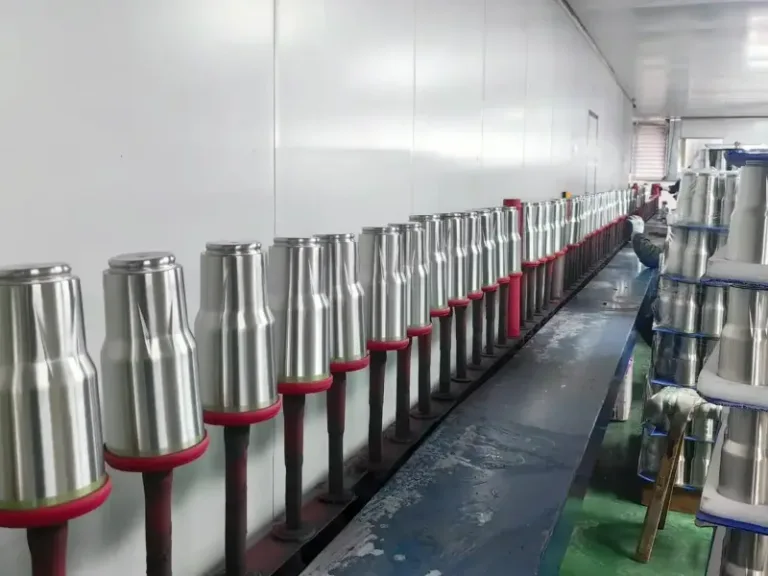
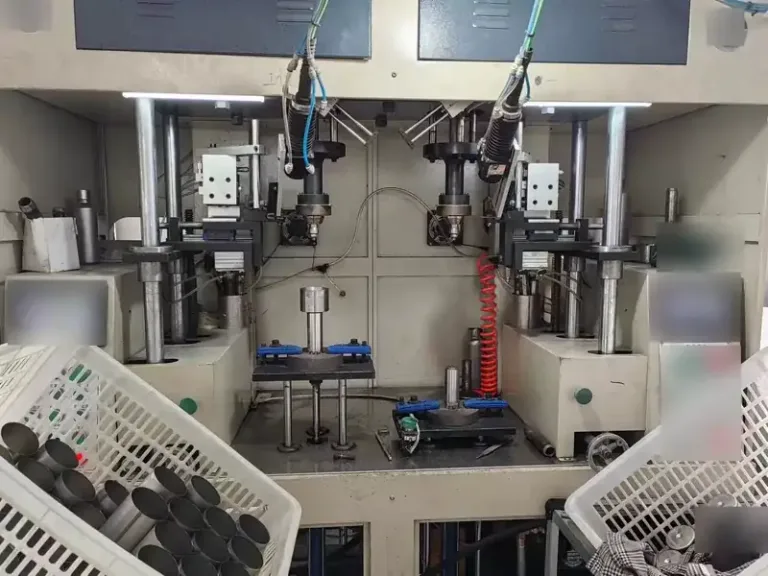
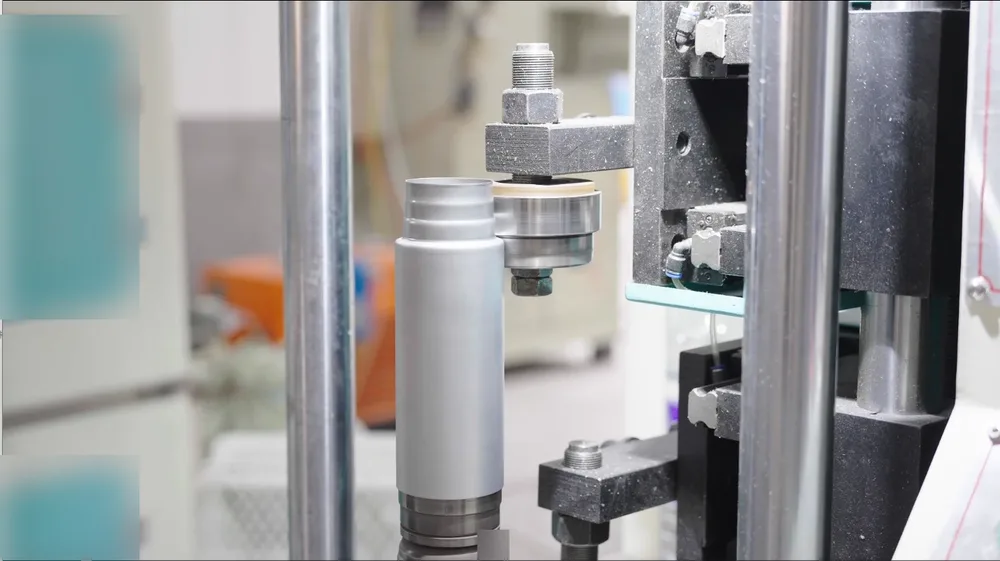
By testing every vacuum unit and removing the ones that fail. At BG Drinkware, every vacuum bottle and tumbler is temperature-tested on a testing machine after the vacuum is sealed and before it is coated. Separately, bottles found with a loose sealing bead are normally picked out as defects.
A bottle with this fault is not repaired, because the vacuum cannot be restored once the seal has failed. Where a vacuum fails after delivery, BG Drinkware sends a replacement. Bulk orders are also inspected to AQL 2.5 for major defects and 4.0 for minor defects under ISO 2859-1. See AQL inspection and quality control.
What should a brand ask a supplier about vacuum defects?
Ask whether every vacuum unit is temperature-tested, at what stage, and what happens to the units that fail. Ask what the sealing bead is made of. Then agree how a rattle or lost vacuum found after delivery is handled, so replacements are settled before the order ships.
- Testing: every unit temperature-tested after sealing, before coating and printing.
- Performance: insulation tested on samples, for example with 95°C water over 6 hours, or to the buyer's method.
- Seal: the sealing material named, and lead-free.
- After delivery: how failed units are reported and replaced.
The standard minimum order is 500 pieces, negotiable; a sample of an existing model takes up to 7 days, and bulk production takes 7–12 days after the sample is approved. See water bottles for the range.
Rattling bottle FAQ
Short answers to the questions people ask most about rattling insulated bottles, whether the rattle affects insulation, whether it can be fixed and how factories catch it. The answers come from BG Drinkware's production and after-sales records for vacuum bottles and tumblers.
Why does my insulated bottle rattle when I shake it?
If the rattle is still there with the lid off, the usual cause is the vacuum sealing bead. It closes a small hole in the base after the air is drawn out of the walls. If it comes loose, it drops into the gap and moves when the bottle is shaken.
Can a rattling insulated bottle be fixed?
No. The bead sits inside the sealed gap between the walls, and the vacuum cannot be restored once the seal has failed. The bottle has to be replaced. BG Drinkware normally picks out bottles with this fault as defects before shipping, and sends a replacement where a vacuum has failed.
Does a rattle affect how long drinks stay hot?
Yes. In BG Drinkware's experience, a loose sealing bead affects the insulation. Fill the bottle with hot water and feel the outside after a few minutes. If the outside wall warms up, heat is crossing the gap and the vacuum is no longer working as it should.
Is a rattle always a vacuum problem?
No. A loose straw, slider or other lid part can rattle too. Shake the body and the lid separately. If only the lid rattles, refit or replace the lid part; the vacuum is not involved, and the bottle should keep drinks hot or cold as before.
This guide is based on BG Drinkware's production and after-sales records. Related guides: a lid that leaks after washing, why a water bottle smells and rust and tea stains.
Sourcing vacuum bottles?
Send the capacity, quantity, model, colour, logo method, packaging, payment terms and trade terms, and how you want each unit tested.