How to Start a Water Bottle Business: A Manufacturer’s Checklist
Starting a reusable water bottle business or brand is mostly a sourcing decision: which bottle you sell, how much you change, how many you buy first and when the stock arrives. This checklist walks through those decisions in the order a manufacturer will ask about them.
By Feng, Head of After-Sales Service & Online Marketing Lead
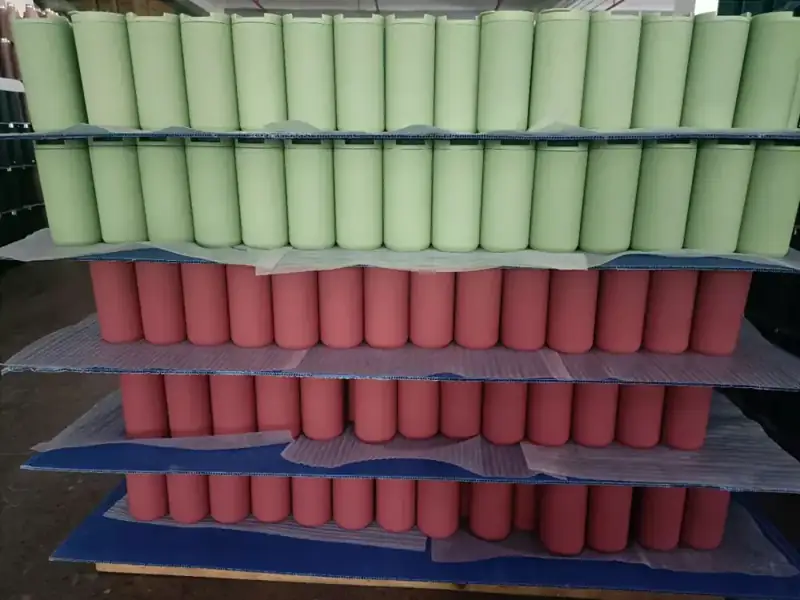
To start a water bottle business, decide what you sell before you look for a supplier: the bottle type, capacity, lid, colours, logo method and packaging, and whether an existing model is enough or you need a new design. Most first launches brand an existing model, because changing the colour, choosing an existing lid or adding a logo needs no new mould, while a new body shape or component does. Then size the first order by colour, approve a decorated sample, and plan stock arrival backwards from your launch date. BG Drinkware, a drinkware manufacturer in Yongkang, China, quotes a standard minimum order of 500 pieces, negotiable, with some models available from 100 pieces per colour. A sample of an existing model takes up to 7 days, and bulk production takes 7–12 days after the sample is approved, before freight. This guide covers reusable bottles, not a bottled-water business.
What do you need to decide before contacting a manufacturer?
Decide the bottle you will sell, the customer it is for and how it will be sold, then turn that into a written brief. A manufacturer can quote a defined bottle quickly; a request for “a nice branded bottle” produces quotes that cannot be compared, because each supplier fills the gaps differently.
Write one line per product you plan to launch. For each line, record the capacity, the body material, whether it is insulated, the lid, the colours, the logo method, the individual packaging and the sales channel. The channel matters: a bottle sold on Amazon needs FBA-ready packing, a bottle sold in a gym needs a retail box or hang tag, and a bottle for corporate gifting may need a gift box.
| Field | Example entry | Why the manufacturer needs it |
|---|---|---|
| Capacity and type | 750 ml vacuum-insulated stainless steel | Sets the model, the price range and the test plan |
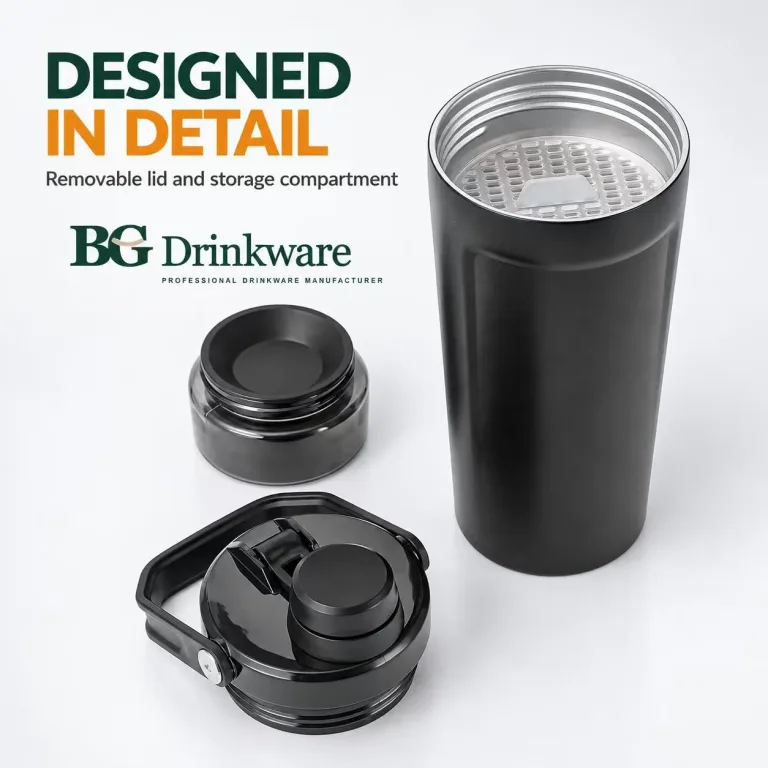
| Lid | Flip straw lid with carry loop | Lids change price, leak checks and packing size |
| Colours | Three colours, quantity for each | Minimums often apply per colour |
| Logo method | Laser engraving, one position | Each method suits different finishes |
| Packaging | Printed box, one per bottle | Affects cost, carton count and freight |
| Market and channel | US, own website and Amazon | Decides labels, documents and any tests |
The RFQ fields BG Drinkware asks for are capacity, quantity, model, colour, logo method, packaging, payment terms and trade terms. Sending all eight in the first message saves a round of questions. For sizing a range, see choosing water bottle sizes for a product line.
Should a new brand use an existing bottle or a new design?
Start with an existing model unless the brand depends on a shape nobody else sells. Branding an existing bottle needs no new mould, so the first order is smaller, faster and cheaper to sample. A new body shape or new component needs mould development, which adds cost, time and a longer approval cycle.
| Route | What changes | New mould? | Typical use |
|---|---|---|---|
| Brand an existing model | Colour, finish, logo, packaging, choice of an existing lid | No | First launch, testing demand |
| Change a component | A new lid, handle or accessory on an existing body | Yes, for the new part | Second product or a signature lid |
| New design | Body shape or construction | Yes | Established brands with proven demand |
In OEM terms, the first route is closest to ODM: you pick from the manufacturer’s range and make it yours. OEM vs ODM drinkware explains the difference. If you bring a reference bottle from another brand, expect the manufacturer to check it for possible design-right problems and for defects already in the reference before quoting. Start the discussion on the private label drinkware page.
How many water bottles should you order for a first launch?
Order the quantity you can sell in your first sales period, split by colour, and check each colour against the manufacturer’s minimum. A large total does not help if one colour falls below its minimum. Most new brands are better served by fewer colours in deeper stock than by many colours that sell out unevenly.
At BG Drinkware the standard minimum order is 500 pieces and it is negotiable; some models can be ordered from 100 pieces per colour. A first order of 600 bottles could therefore be three colours of 200 on a model that allows it, or one colour of 600 on a model that does not. Ask for the minimum of the exact model, lid and decoration you choose rather than a general figure.
- Cash: price the whole landed cost, including decoration, packaging, samples and freight, not only the unit price.
- Colours: launch with the colours your audience already asks for, then add more on the repeat order.
- Reorder: ask how a repeat order is quoted, because setup lines may or may not apply again. See repeat order setup charges.
Which specifications decide whether the bottle is any good?
Name the steel grade of each wall, the lid materials, how the vacuum is checked and which parts any test report covers. These are the details customers notice months later: a lid that leaks, a bottle that stops keeping drinks cold, or a coating that chips. They belong in the written specification, not in an email.
For insulated stainless steel bottles, BG Drinkware’s standard construction is a 304 stainless steel inner wall and a 201 outer wall, with a 316 inner wall and 304 outer wall available on request. Every vacuum bottle is temperature-checked on a testing machine before it ships. Ask your supplier the same questions:
- Materials by partInner wall, outer wall, lid, seal and straw, each named.
- Vacuum checkHow each bottle is checked, and how many times, before packing.
- Leak checkThe closed configuration the lid is checked in, and the method.
- Test reportsWhich materials and models a food-contact report covers. Reports often exclude lids, straws and coatings.
- Approved sampleA retained reference sample that the bulk order is checked against. See golden samples.
For how bulk orders are checked against the approved sample, see quality control.
How should you plan the logo and packaging?
Choose the logo method from the bottle’s surface, then design the packaging around how the bottle will be sold and shipped. Laser engraving and screen printing suit most finishes, UV printing needs a coated surface, and full-wrap photo prints need a sublimation coating. Packaging decides carton count, freight and how the bottle looks on arrival.
Ask for a decorated sample with the real logo in the real position before approving bulk. A digital mock-up shows placement but not how a fine line engraves or how a colour prints on a matte coating. Compare the methods on the customisation page.
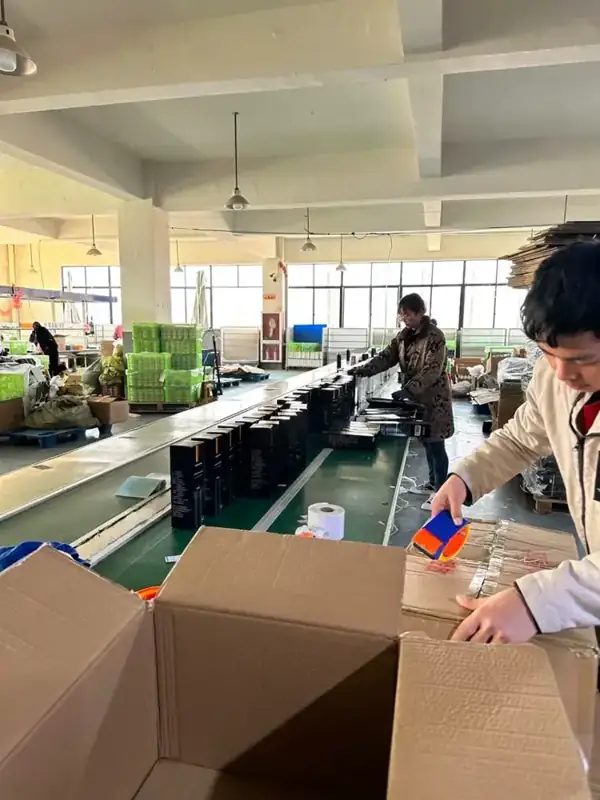
For packaging, decide between a plain box, a printed box or a polybag, and confirm whether the bottle ships with the lid fitted. Marketplace sellers should agree the barcode and labelling plan before packing starts; labelling rules differ by marketplace. Ask for carton sizes and counts with the quotation.
How long does it take to get the first stock?
Plan backwards from the launch date. For an existing model, the sample takes up to 7 days and bulk production takes 7–12 days after the sample is approved at BG Drinkware. Add your own review time, any third-party testing, freight and customs clearance, and keep a buffer for artwork changes after the sample.
| Stage | Time | Who controls it |
|---|---|---|
| Brief and quotation | Depends on how complete the brief is | Buyer and manufacturer |
| Sample of an existing model | Up to 7 days | Manufacturer |
| Sample review and approval | Your decision time | Buyer |
| Bulk production | 7–12 days after sample approval | Manufacturer |
| Freight and customs | Depends on route and mode | Buyer and forwarder |
A new mould adds development and its own sample rounds, so confirm that schedule separately. The production timeline guide explains what moves each stage.
Water bottle business FAQ
Short answers to the questions new brand owners ask most often before placing a first bottle order: budget, minimums, design ownership, choosing between a manufacturer and a trading company, and testing. The answers reflect BG Drinkware’s order process.
How much does it cost to start a water bottle business?
The cost is the first order’s landed cost: unit price, decoration, packaging, samples and freight, multiplied across the quantity per colour, plus any mould if you need a new design. Branding an existing model keeps that number lowest because no mould is needed. Ask for a quotation that shows each line separately so you can see what changes with quantity.
Can I start a water bottle company with a small first order?
Yes, if you choose a model with a low minimum. At BG Drinkware the standard minimum is 500 pieces and negotiable, and some models start from 100 pieces per colour. Fewer colours make a small order easier to place. Expect the unit price to be higher at small quantities, and confirm the minimum for the exact model, lid and logo.
Do I own the design if I brand an existing bottle?
Not the bottle shape. When you brand an existing model, other buyers can usually order the same body, so your brand is carried by colour, logo, lid choice and packaging. If you need a shape that only you sell, that is a new design with its own mould, and ownership and exclusivity should be written into the agreement rather than assumed.
Should a new brand buy from a manufacturer or a trading company?
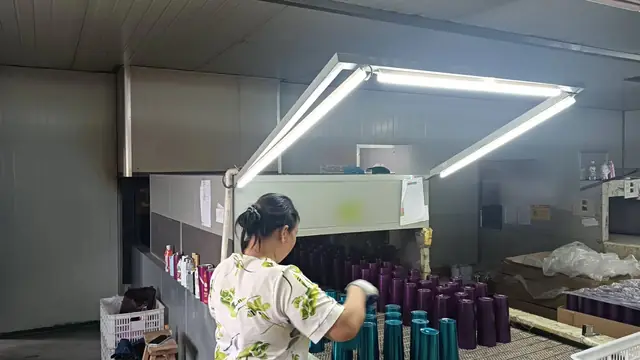
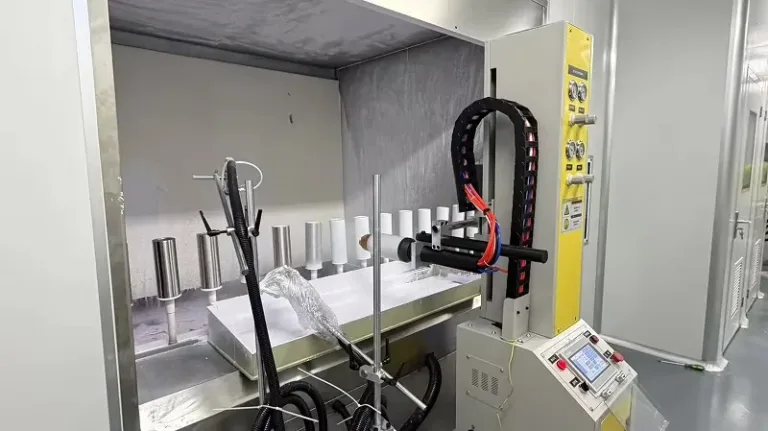
Either can work, but know which one you are dealing with. A manufacturer controls production, samples and quality checks directly; a trading company adds a layer that can help with mixed sourcing. Ask who makes the bottle and where, and visit or request production photos. This comparison lists the questions to ask.
Do I need test reports before selling water bottles?
It depends on your market and sales channel, so check the rules for where you sell before ordering. Ask the manufacturer which reports exist, which materials and models they cover, and whether lids and coatings are included. If your market needs a test on the finished bottle, run it on a production sample of your exact configuration, including the lid.
This guide is based on BG Drinkware’s order process and product range. Related guide: water bottles in bulk.
Planning your first bottle?
Send the capacity, quantity per colour, model, logo method, packaging, payment terms and trade terms.