Stainless Steel Vacuum Flasks: Types, Sizes and What to Specify
A vacuum flask keeps coffee hot and water cold for hours, but flasks differ a lot: a cup-lid thermos, a coffee flask gift set, a pour-top carafe, a large outdoor flask or a titanium flask. Here is how they compare and what to put in the specification, with real models.
By Feng, Head of After-Sales Service & Online Marketing Lead
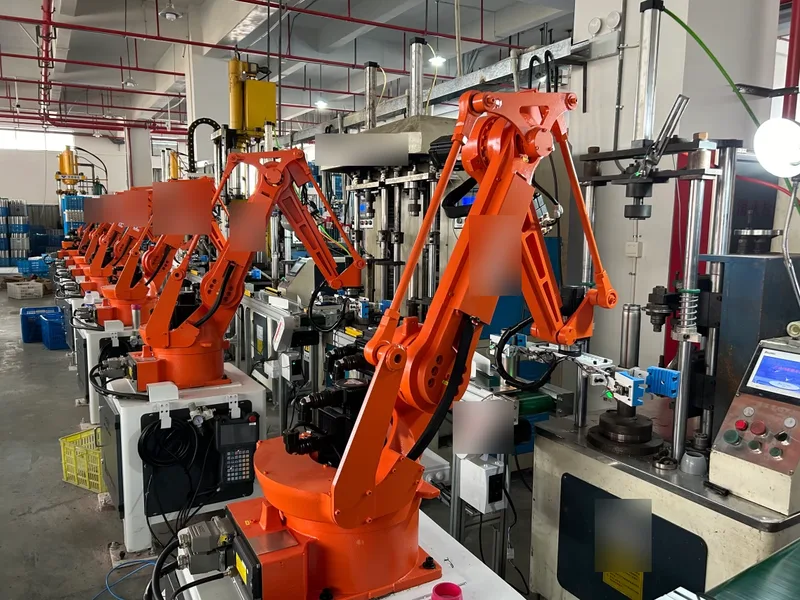
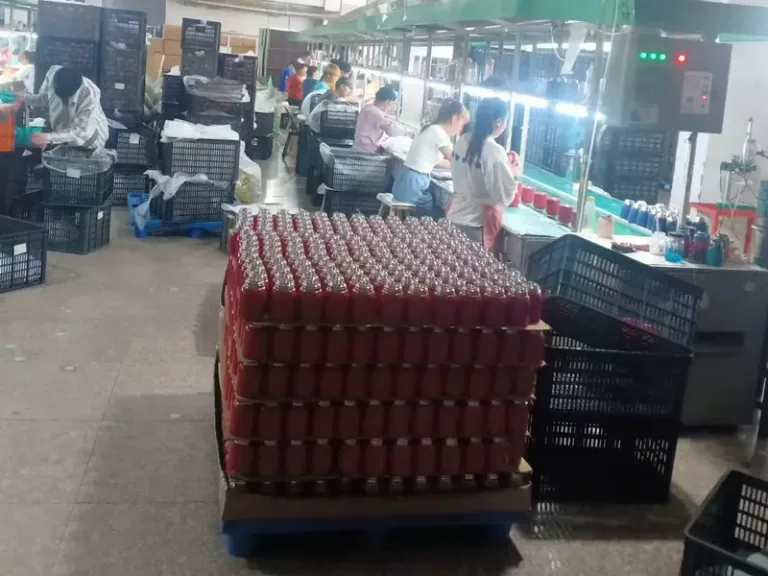
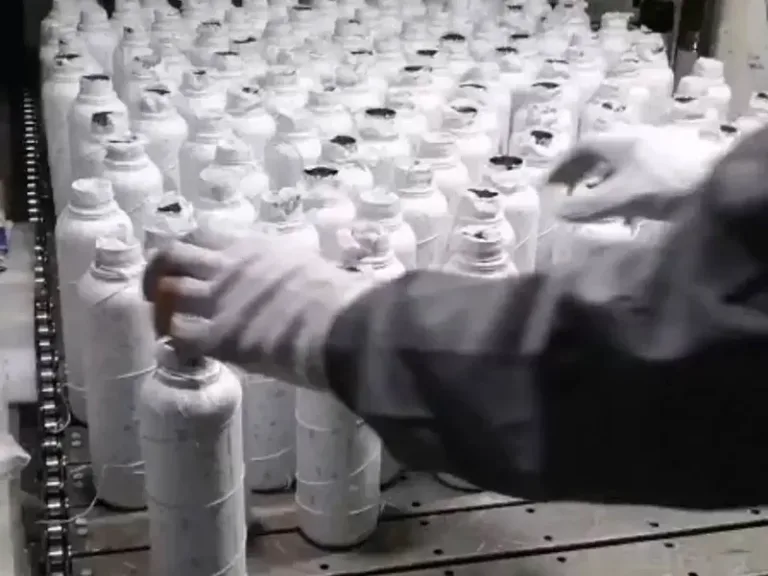
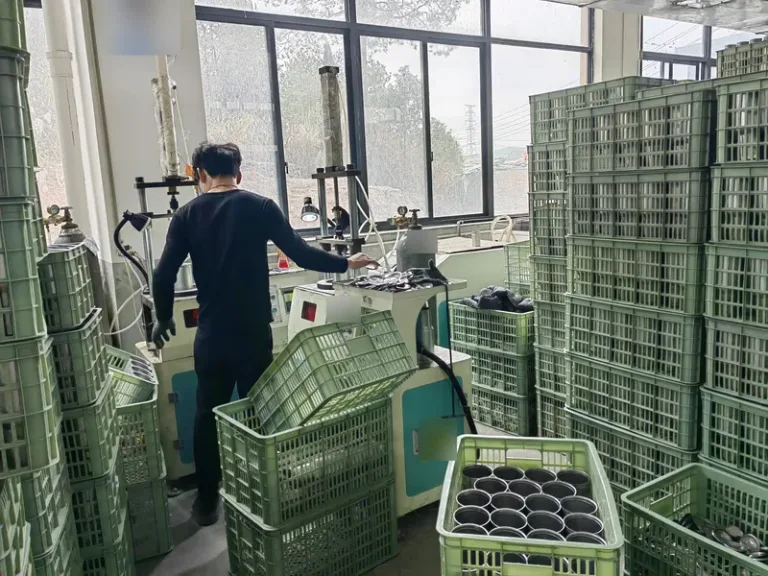
A stainless steel vacuum flask is a bottle with two steel walls and the air taken out of the gap between them, so heat cannot easily pass through. That keeps hot drinks hot and cold drinks cold for hours. Flasks come in several forms: a thermos with a cup lid, a coffee flask with removable cups, a pour-top carafe for serving, and large flasks for outdoor use. BG Drinkware, a drinkware manufacturer in Yongkang, China, makes vacuum flasks from 360 ml to 2,000 ml, with a 304 stainless steel inner wall as standard, plus a pure titanium flask. Every vacuum unit is temperature-tested, and samples are tested at 95°C over 6 hours. Most models start at 500 pieces per colour, the minimum is negotiable, and the 1,500 ml commercial coffee flask starts at 1,000 pieces per colour.
How does a vacuum flask work?
Heat moves easily through air and metal, but a vacuum blocks conduction and convection. A vacuum flask has an inner and an outer steel wall, joined at the neck, with the air removed from the gap. Very little heat crosses the gap, so most heat is lost through the lid instead.
That is why the stopper or lid matters as much as the body. A tight stopper and a small opening keep heat in for longer than a wide mouth. For the full process, see how insulated bottles work and how vacuum bottles are made.
What types of vacuum flask are there?
The main types are a thermos with a cup lid, a coffee flask sold as a gift set with cups, a carafe with a press-to-pour lid for serving, a large flask for outdoor and family use, and a small flask in titanium. The type decides the lid, the size and the packaging.
| Model | Capacity | Lid or stopper | Material | Weight |
|---|---|---|---|---|
| Titanium vacuum flask | 360 ml | Ball-shaped cap, braided wrist loop | Pure titanium inside and out | 235 g |
| Coffee thermos with cup lid | 500 ml | Detachable handled lid that doubles as a cup | 304 inside, 201 outside | 480 g listed |
| Coffee flask gift set | 500 ml | Press-to-pour stopper and two removable cups | 304 inside, 201 outside | 345 g |
| Commercial coffee flask | 1,500 ml | Press-to-pour lid with V-shaped lip | 304 inside, 201 outside | 723 g |
| Large flask bottles | 1,500 and 2,000 ml | Dual-drink, single-drink or magnetic lid | 304 inside, 201 outside | 653.4 and 760 g |
The large flask bottles can also come with a small tea cup and a straw spoon. For serving carafes and teapots, see the insulated carafe guide and teapots; for large jugs, see outdoor jugs.
What size vacuum flask should you choose?
Choose by how many people it serves and how it is carried. About 350 ml to 500 ml suits one person for a day out or a commute. About 1,000 ml to 2,000 ml suits sharing, outdoor trips and serving coffee or tea at a table. Larger flasks weigh more when full.
Add the weight of the drink to the empty weight: a litre of water weighs about 1 kg, so a full 2,000 ml flask weighs close to 2.8 kg. That is why large flasks have handles. For sizes in ounces, see choosing bottle sizes.
Which material is best for a vacuum flask?
For most flasks, a 304 stainless steel inner wall is the standard choice, with a 201 or 304 outer wall. 316 stainless steel can be used inside for buyers who ask for it, and titanium is chosen for a small, premium flask. Name the inner and outer grades in the specification.
BG Drinkware's 360 ml titanium flask uses pure titanium for both walls. For how the grades compare, see 18/8 vs 304 vs 316 steel and titanium vs stainless steel.
How long does a vacuum flask keep drinks hot?
That depends on the size, the stopper, how full it is and how often it is opened. A full flask with a tight stopper keeps heat longest; a small, half-full flask opened often cools fastest. Agree the test conditions, such as the starting temperature and time, with the supplier before comparing figures.
At BG Drinkware, every vacuum unit is temperature-tested, and samples are tested at 95°C over 6 hours. For what to expect in practice, see how long a thermos keeps coffee hot. If a flask stops keeping heat, the vacuum may be lost; see why a bottle loses its vacuum.
Can a vacuum flask have a tea infuser?
Yes. Some flasks and bottles have a removable tea filter or infuser, so loose tea can be brewed and carried in the same flask, and the leaves can be held back when pouring. Choose a filter that comes out for cleaning, and check how it fits on the sample.
BG Drinkware also makes tea filter bottles in stainless steel and titanium, such as the 650 ml steel tea filter bottle and the 480 ml titanium tea filter bottle, plus insulated teapots with infusers. See tea infuser bottles and insulated teapots with strainers.
How should a vacuum flask be looked after?
Keep it out of the freezer and the fridge, avoid hard drops, and wash and dry the stopper and seal after use. A hard knock can dent the wall and break the vacuum, after which the flask no longer insulates. Put these points in the care instructions in the packaging.
For cleaning, see how to clean a stainless steel bottle; for freezing, see can you freeze a steel bottle. For lid styles, see water bottle lid types; for a cup to carry in a bag, see leak proof tumblers.
What should a vacuum flask order include?
Send the capacity, quantity, model, colour, logo method, packaging, payment terms and trade terms. For a flask, also say whether it is sold alone or as a gift set with cups, and which lid or stopper you need, because these change the packaging, the price and the minimum order.
Most of BG Drinkware's flasks start at 500 pieces per colour, and the minimum is negotiable; the 1,500 ml commercial coffee flask starts at 1,000 pieces per colour. A sample of an existing model takes up to 7 days, and bulk production takes 7–12 days after the sample is approved. For gift packaging, see custom drinkware gift sets.
For food rather than drinks, see the insulated food jar buying guide.
Stainless steel vacuum flask FAQ
Quick answers on stainless steel vacuum flasks for brands and wholesale buyers: flask or thermos, titanium or steel, freezers and order sizes. Details about BG Drinkware models come from its product pages and its standard order terms, so check them against your sample.
What is the difference between a vacuum flask and a thermos?
In everyday use there is none. "Thermos" began as a brand name and is still a trademark in many countries, but people often use it for any vacuum flask. Both have two walls with a vacuum between them. Buyers often use "thermos" for a cup-lid flask and "flask" for any vacuum bottle.
Is a titanium vacuum flask better than stainless steel?
Titanium is usually chosen for a small, premium flask and for buyers who want a titanium product. Stainless steel costs less and suits most flasks, especially larger ones. BG Drinkware makes a 360 ml pure titanium flask and stainless steel flasks up to 2,000 ml.
Can you put a vacuum flask in the freezer?
No. Vacuum flasks should not go in the freezer or the fridge. A hard drop can also dent the wall and break the vacuum, after which the flask stops insulating. To chill a drink, put ice or cold water in the flask instead.
What is the minimum order for custom vacuum flasks?
From 500 pieces per colour for most of BG Drinkware's flasks, and the minimum is negotiable; the 1,500 ml commercial coffee flask starts at 1,000 pieces per colour. Say whether you need a gift set with cups. Samples of existing models are ready within 7 days.
Planning a vacuum flask range?
Send the capacity, quantity, model, lid, colour, logo method, packaging, payment terms and trade terms for a quotation.