Licensed Drinkware Manufacturing: How ILS Audits, FAMA Authorization and Overrun Controls Work
Manufacturing cups or bottles bearing licensed entertainment characters, sports emblems or global beverage marks requires far stricter controls than standard private label drinkware. Here is how licensor site audits, customs authorizations and shop-floor IP safeguards work.
By Feng, Head of After-Sales Service & Online Marketing Lead
Licensed drinkware manufacturing only begins after the brand owner or licensor authorizes the exact production site—never on a verbal go-ahead alone. Entertainment and character licensors typically require an International Labor Standards (ILS) audit (often satisfied via a clean, semi-announced or unannounced SMETA 2/4-Pillar or approved social audit with zero minimum-compliance breaches) before issuing a Facility and Merchandise Authorization (FAMA), which customs authorities check at import. Global beverage brands apply similar Supplier Guiding Principles (SGP) and food-safety checks. On the factory floor, compliance requires zero unauthorized subcontracting, segregated storage of transfer films and screens, zero production overruns, and photographed destruction logs for every defective branded cup or box.
How do ILS audits, FAMA documents and beverage SGP approvals connect?
A factory does not apply for a licensing authorization on its own—an official licensee or promotional agency submits the factory's audit report and street address to the brand owner to unlock site-specific production approval.
| Stage | Who owns the step | What must match before production starts |
|---|---|---|
| 1. License & NDA | Brand owner, licensee & factory | Valid license scope (territory, channel, dates) + signed factory NDA |
| 2. ILS / SGP audit review | Factory & accredited audit body | Eligible social/EHS audit (e.g., SMETA 4-Pillar) with zero critical/MCS violations at the exact street address |
| 3. Site authorization (e.g., FAMA) | Brand owner issues via licensee | Legal factory name, physical address and product category listed on the authorization certificate |
| 4. Pre-production & lab tests | Factory, licensee & accredited lab | Artwork strike-off approval + CPSIA / FDA / LFGB / Prop 65 pass reports on actual materials |
| 5. Export & customs release | Freight forwarder & customs | Commercial invoice, packing list and site authorization match so customs releases branded goods |
Why undeclared subcontracting is an instant disqualification in licensed runs
In drinkware clusters, factories often outsource specialised finishes such as water-transfer hydrographics, 3D UV decals or custom tin boxes. Under ILS and SGP rules, moving branded bodies to an unapproved outside workshop violates the site authorization.
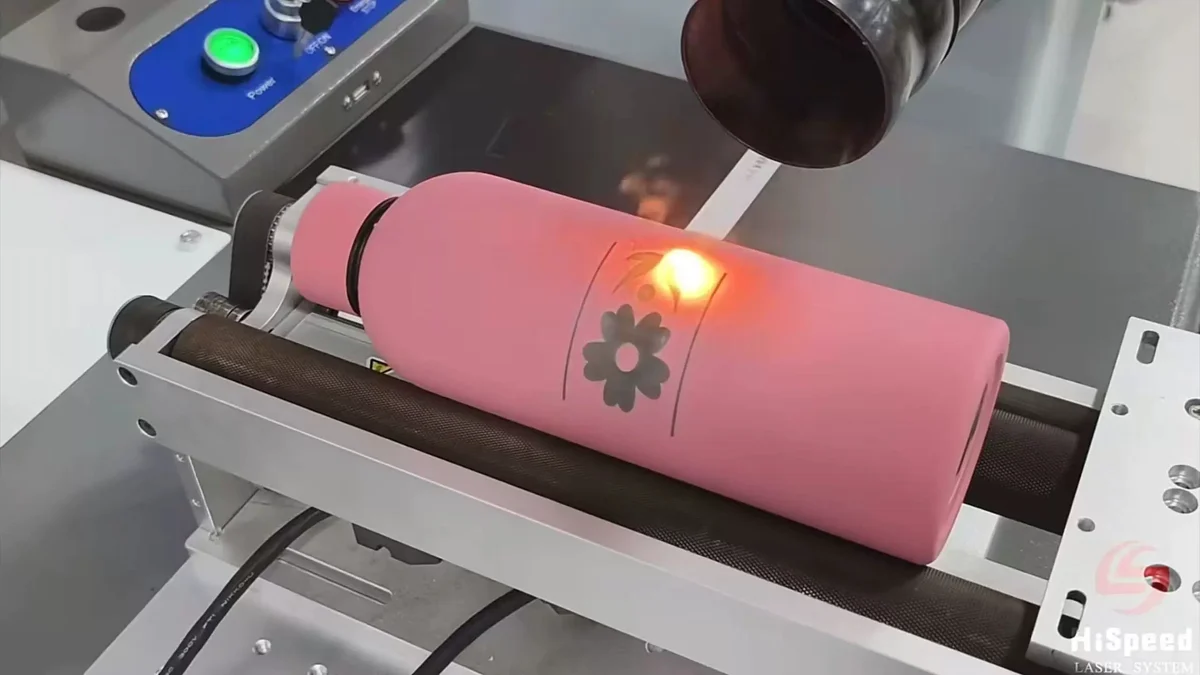
Before quoting a full-wrap sublimated, rotary UV-printed or water-transfer licensed tumbler, map every step that carries the trademarked artwork. Either keep all branded decoration inside the authorized facility or disclose and audit any specialist print subcontractor upfront through the licensee's portal.
How factories control setup cups, overruns and defective branded stock
A brand's biggest grey-market risk is not theft of finished pallets—it is 300 setup tumblers, mis-registered decal sheets or dented seconds walking out of a scrap bin onto local resale sites.
Counted decal & film issue
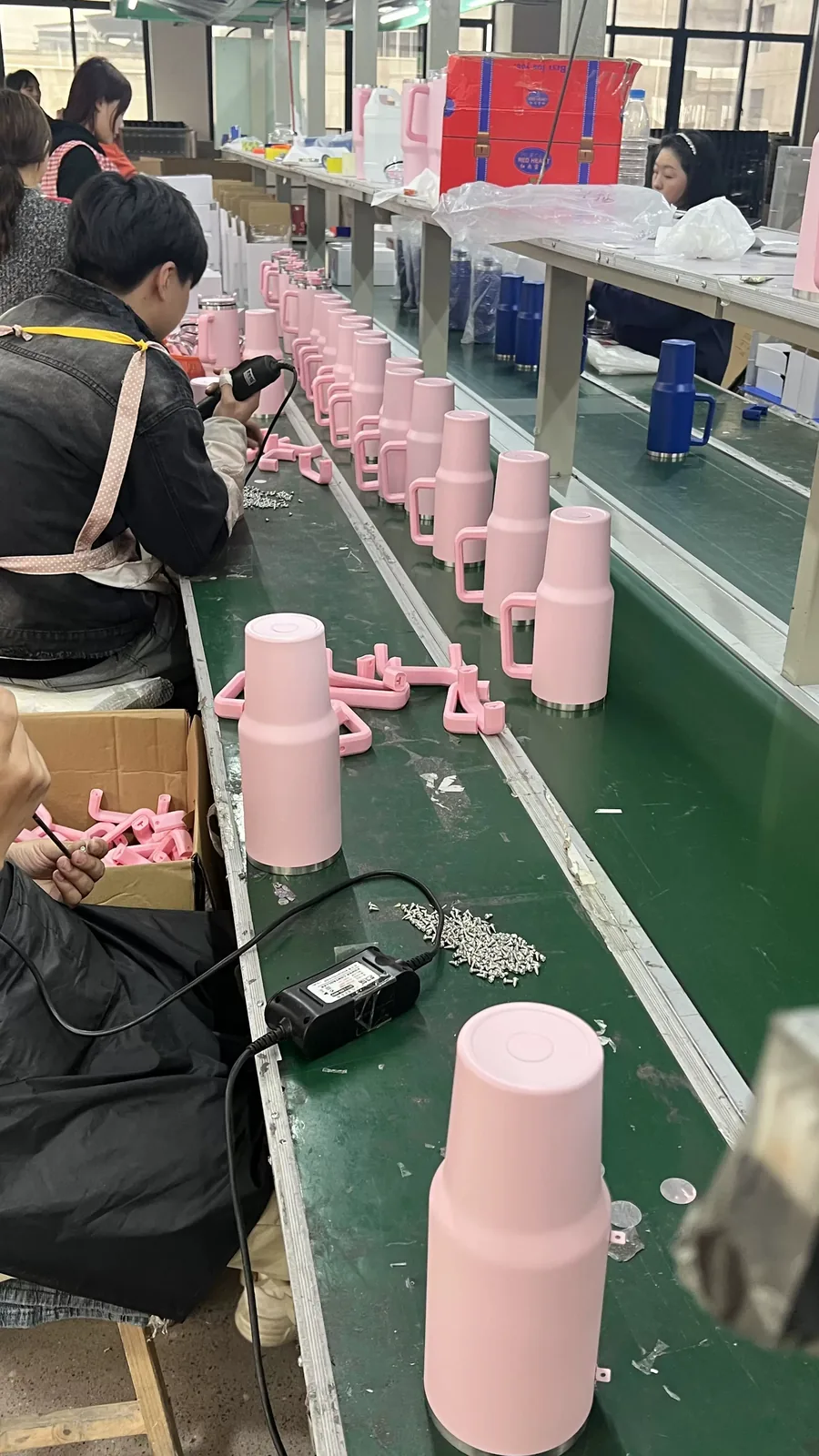
Heat-transfer films, sublimation wraps, woven straps and printed boxes are issued against exact PO count plus a logged setup allowance.
Zero unauthorized overrun
Extra unbranded steel blanks may be formed for yield safety, but trademarked logos are applied only up to the authorized PO quantity.
Crushing & defacing rejects
Setup cups and printing seconds have graphics ground off or bodies mechanically crushed under camera, recorded in a signed scrap ledger.
No showroom or web display
Licensed samples stay in locked archive cabinets and are never photographed for trade-show booths, catalogues or public web galleries without written consent.
Extra product-safety gates for character kids cups and beverage promos
Entertainment licences skew heavily toward children's hydration, while global beverage promos involve high-visibility consumer giveaways—so chemical and mechanical lab requirements are stricter than standard office merch.
- Children's drinkware (under 12): US orders require CPSIA third-party testing at a CPSC-accepted lab (total lead in substrates and surface coatings, phthalates in soft plastics/silicone, small-parts bite/torque checks on straw lids, and permanent tracking labels on both product and packaging).
- Adult collector & beverage tumblers: Verify lead-free vacuum solder, California Prop 65 compliance on exterior inks/coatings, and acidic-simulant migration tests when cups are marketed for carbonated soft drinks, energy drinks or citrus beverages.
How BG Drinkware's relocated Yongkang plant supports licensed onboarding
Our upcoming Yongkang facility relocation incorporates dedicated physical and documentary safeguards so licensees and brand agencies can complete site onboarding smoothly.
- Zero-tolerance EHS & fire baselineBuilding fire-safety acceptance, clear evacuation aisles, secondary chemical containment and verified age/attendance records aligned with ILS & SGP minimum compliance criteria.
- In-house decoration & quarantined packingIn-house laser engraving, screen/UV printing, powder coating and access-controlled packing lines reduce reliance on external decoration shops.
- Scrap & tooling custody SOPLocked screen/plate storage, counted artwork consumables and photo-verified destruction logs for branded rejects.
- Strict IP & trademark disciplineWe never produce unlicensed character or brand knock-offs and never display customer trademarks without explicit written permission.
Review our audit roadmap and confidentiality policy before submitting your licensing brief.
Licensed drinkware manufacturing FAQ
Key compliance answers for licensees, promotional agencies and brand merchandise buyers.
Does a factory hold a 'blanket' Disney FAMA or beverage brand certificate on its own?
No. A Facility and Merchandise Authorization (FAMA) is tied to a specific licensee, contract and production site—not owned as a generic public trophy by a factory. If a supplier advertises a blanket FAMA for anyone to use without your own license agreement, treat that as a compliance red flag.
Can BG Drinkware print a famous character or beverage logo if our client has not signed the license yet?
No. Before sampling or mass-producing any third-party trademark, character or sports emblem, we require proof of valid licensing authority or written brand-owner authorization.
What happens to leftover printed boxes or 2% over-printed tumblers on a licensed PO?
Unless the purchase order and license agreement explicitly permit a defined overrun tolerance for purchase, excess branded cups and printed cartons are destroyed (crushed or shredded) with dated photo/video evidence sent to the licensee.
Which social audit is fastest for licensed entertainment and beverage onboarding?
A semi-announced or unannounced Sedex SMETA 4-Pillar audit conducted by an APSCA-accredited firm approved by the licensor is the most widely cross-accepted starting point, paired with zero critical EHS/building-safety findings.
Sources
References to ILS, FAMA and SGP describe publicly documented industry compliance workflows used by licensors and beverage brands; BG Drinkware is an independent OEM/ODM manufacturer and claims no affiliation with or endorsement by third-party trademark owners. Related pages: confidentiality policy, certifications and gift cups & sets.
Onboarding a factory for a licensed drinkware range?
Share your licensor's audit checklist, approved audit agencies, target vessel format, CPSIA/FDA test scope and launch schedule under NDA.