How Long Do Stainless Steel Tumblers Last? What Wears Out First
A stainless steel tumbler rarely wears out all at once. The steel body can keep going long after the seal has gone soft, the coating has chipped or the logo has faded. Here is which part fails first, what ends a tumbler’s insulation for good, and how a brand can plan for it.
By Feng, Head of After-Sales Service & Online Marketing Lead
There is no fixed number of years for a stainless steel tumbler, because its parts wear at different speeds. The steel body is the longest-lasting part; the silicone seal, the lid and the straw usually wear first, followed by the outer coating and any printed logo. Insulation ends when the vacuum between the two walls is lost, most often after the tumbler is frozen or dropped hard, and a lost vacuum cannot be repaired. BG Drinkware, a drinkware manufacturer in Yongkang, China, builds its standard tumblers with a 304 stainless steel inner wall and a 201 outer wall, and temperature-tests every vacuum tumbler before shipping. It supplies lids and removable silicone seals separately, so a worn seal can be replaced without replacing the cup. For a branded range, plan spare lids and seals, choose a hard-wearing finish and logo, and print care notes.
Which part of a stainless steel tumbler wears out first?
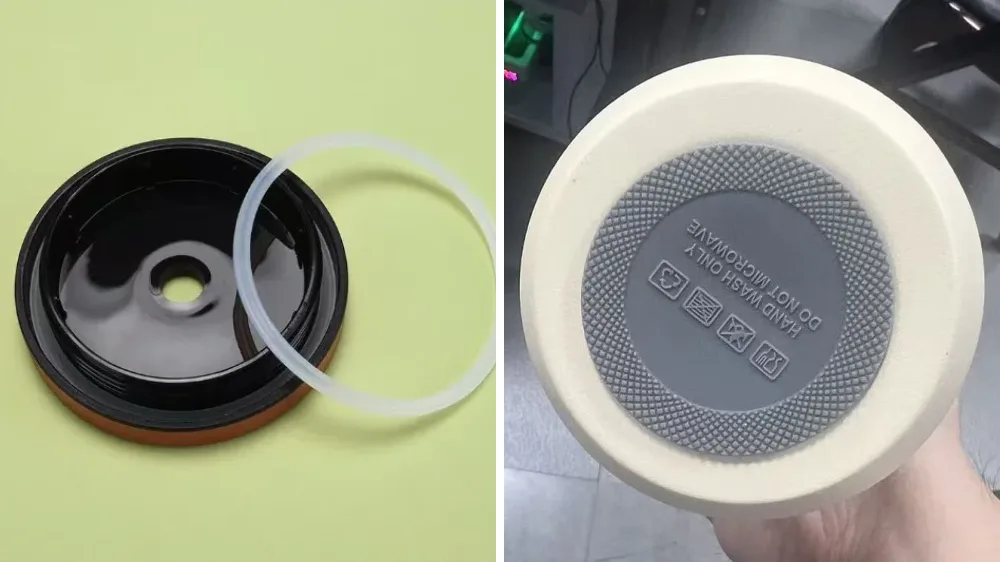
Usually the lid and its silicone seal. They are opened, closed and washed every day, and a seal that has gone soft or stretched lets drinks leak and heat escape. The steel body changes far more slowly. Coatings and printed logos come next, worn by knocks, rubbing and washing.
| Part | What wears it | What you see | Fix |
|---|---|---|---|
| Silicone seal | Daily use, washing, refitting | Leaks, a lid that no longer closes tightly | Replace the seal |
| Lid and straw | Opening, closing, chewing, loss | Sticking slider, cracked or lost parts | Replace the lid or straw |
| Outer coating | Knocks against hard surfaces | Chips at the base edge or rim | Cosmetic; choose a tougher finish next time |
| Printed logo | Rubbing and washing | Faded or patchy print | Cosmetic; consider laser engraving |
| Vacuum | Freezing or a hard drop | Outer wall warm with a hot drink inside | Cannot be repaired |
See tumbler lid, seal and straw checks and why bottles leak after washing.
Can a stainless steel tumbler stop keeping drinks cold?
Yes, if the vacuum between the walls is lost. In BG Drinkware’s after-sales experience, the two main causes are putting the tumbler in the freezer and dropping it hard. Air then enters the gap, heat crosses it easily, and the outer wall turns warm with a hot drink inside. A lost vacuum cannot be repaired.
The quickest check is the hot water test: fill the tumbler with hot water, close the lid, wait a few minutes and touch the middle of the body. If it stays at room temperature, the vacuum is working and a cooling drink points to the lid seal instead. BG Drinkware can add a care note such as “Do not put in the freezer or fridge” to an order. See how to tell if a bottle has lost its vacuum.
Does the stainless steel itself wear out?
Not in normal use. The inner wall that touches the drink is 304 stainless steel at BG Drinkware, with 316 on request, and it does not wear thin from drinking or washing. What builds up inside is usually tea or coffee staining, which cleaning removes, rather than damage to the steel.
The outer wall is 201 stainless steel as standard, usually under a coating, and can be made in 304 on request for uncoated tumblers or humid, coastal markets. For marks inside a cup, see rust spots or tea stains; for the grades, 18/8 vs 304 vs 316.
How long do the coating and the logo last?
That depends on the finish and how the tumbler is handled. Chips usually come from knocks, and in BG Drinkware’s experience spray-painted finishes chip more easily than powder coatings. Printed logos can rub off over time, while a laser-engraved logo adds no ink, so there is nothing on the surface to rub away.
Ask for a crosshatch test and a rub test on the sample, plus a dishwasher test if the box will say dishwasher safe. See why coatings bubble or chip, why printed logos rub off and laser engravable tumblers.
How can a brand make its tumblers last longer?
Choose the build for the use, then plan for the parts that wear. A powder coating and a laser-engraved logo suit cups that get knocked about. Spare lids and seals keep a range in use when the body is still sound. Care notes on the box prevent the freezing that ends a tumbler’s insulation.
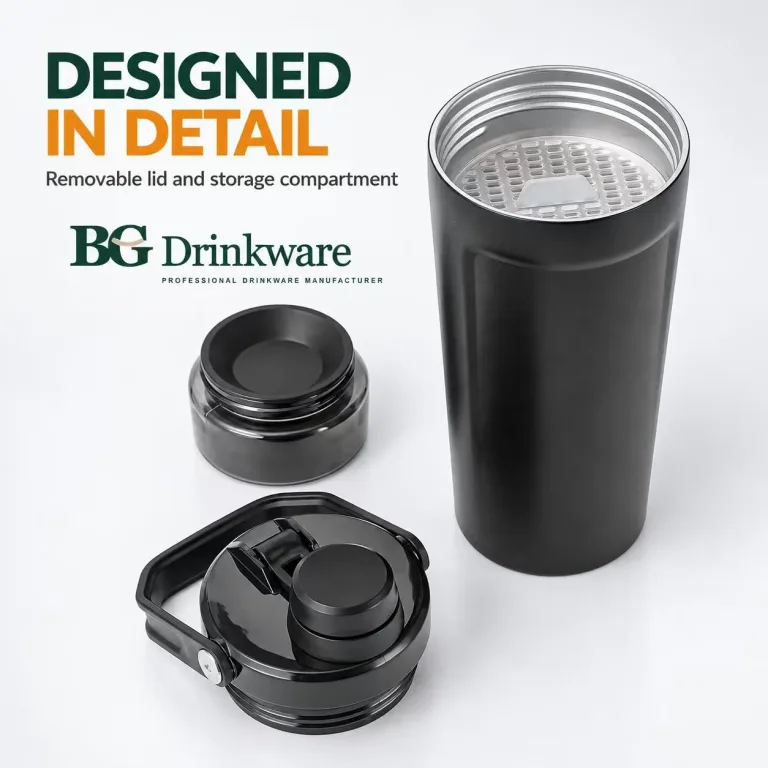
- Spare parts: lids and straws wear out or get lost long before the steel body, so order spares while the original parts and colours are in production.
- Finish and logo: powder coating for cups that travel; laser engraving where the logo must survive rubbing.
- Care notes: a no-freeze mark or a printed note on each unit.
- Sample tests: crosshatch, rub and, if claimed, dishwasher tests before bulk.
See replacement lids for bulk orders and tumblers.
What does BG Drinkware do when a tumbler fails early?
It checks the claim against the approved order. Report transport damage or shortages within 7 calendar days and hidden manufacturing faults within 30 days, with photos and the order reference. Where a manufacturing fault is verified, the remedy is agreed in writing; for confirmed vacuum failures, BG Drinkware sends replacement units to brand customers.
Normal wear and damage after delivery from improper use, such as freezing, are generally not covered. Replacement lids can be ordered separately after the bottles have shipped, starting from the original order and the retained sample. See the after-sales policy and what to do when a base pad falls off.
Stainless steel tumbler lifespan FAQ
Short answers to the questions brands and their customers ask most about how long stainless steel tumblers last: replacing seals, lost insulation, dishwashers and when to replace a cup. The answers come from BG Drinkware’s after-sales experience and its published policies.
When should you replace a stainless steel tumbler?
Replace it when the vacuum is lost, which shows as a warm outer wall with a hot drink inside, or when the body is dented or cracked. A leaking lid, a soft seal or a lost straw does not mean the tumbler is finished: replace the part and keep using the cup.
Can you replace the seal on a tumbler lid?
Usually, yes. BG Drinkware supplies lids and removable silicone seals separately, so a worn seal can be swapped without buying a new tumbler. For a branded range, order spare seals from the same production as the lids, and check the replacement on the original cup before you sell it.
Does the dishwasher shorten a tumbler’s life?
It can affect the coating, the printed logo and the lid parts more than the steel. Dishwasher suitability depends on the complete decorated cup, so run a dishwasher test on the finished sample, with agreed cycles and pass criteria, before putting a dishwasher-safe claim on the box.
Can a tumbler that lost its vacuum be fixed?
No. The vacuum is created and sealed inside the wall during manufacturing and cannot be restored afterwards. The tumbler still holds drinks, but it will not keep them hot or cold the way it did. Freezing and hard drops are the most common causes in BG Drinkware’s experience.
This guide is based on BG Drinkware’s after-sales experience and published policies. Related guides: a loose tumbler handle, how insulated bottles work and dishwasher-safe bottles in bulk.
Planning a tumbler range that lasts?
Send the model, finish, logo method, spare parts, care marks, quantity per colour, packaging, payment terms and trade terms.