

Buyer guide
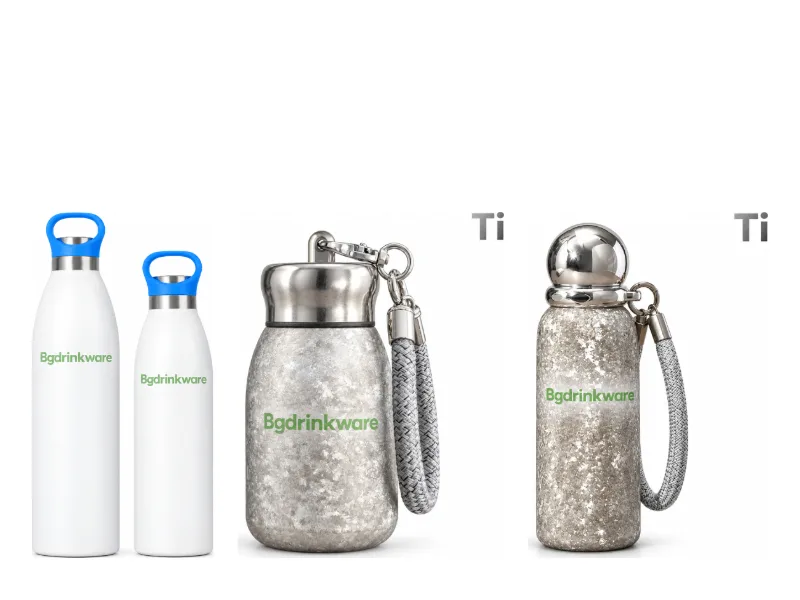
Metal Water Bottles: Stainless Steel, Aluminium or Titanium?
Stainless steel, aluminium and titanium water bottles compared: insulation, weight, linings, safety checks, logo options and what to specify in a bulk order.
Read guide →BG Drinkware · Practical reading
Choose a bottle with clearer questions, not just a product photo. These articles help bulk buyers define what to compare, what to test on the selected configuration, and what to approve before production.
Buyer guides
Choose a question that matters for your order. Each published guide links the reading back to a product configuration, a relevant check and the decision your team needs to approve.
Showing 9–16 of 147 articles
Stainless steel, aluminium and titanium water bottles compared: insulation, weight, linings, safety checks, logo options and what to specify in a bulk order.
Read guide →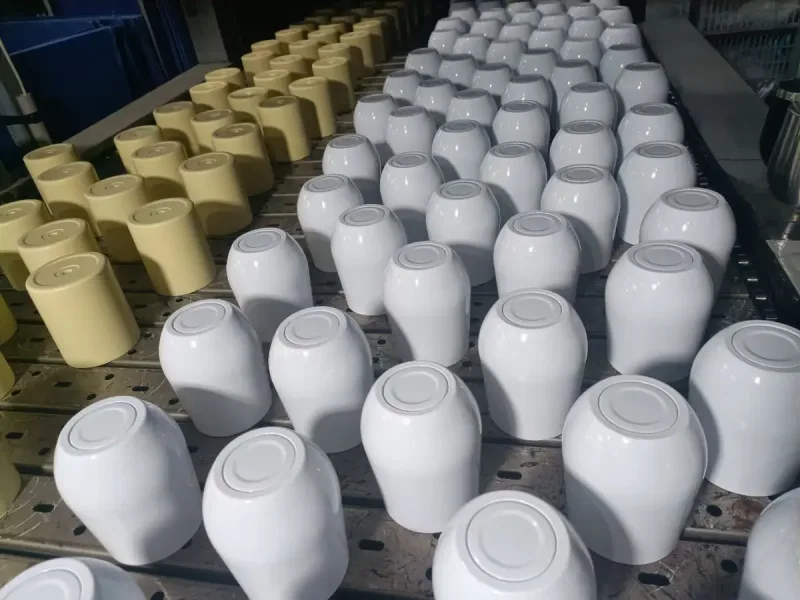
Do tumblers need a Prop 65 warning? Who must warn, where lead can sit in a vacuum tumbler, how safe harbour levels work and what to check before you label.
Read guide →
EXW vs FOB for drinkware orders from China: who loads, who clears export, when risk passes, when FCA fits container cargo and what to write on the order.
Read guide →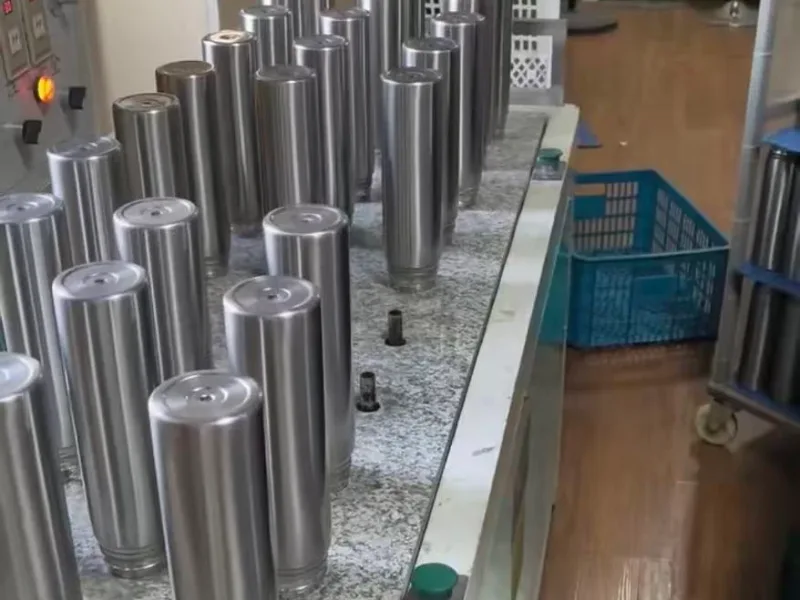
How long stainless steel tumblers last: why the steel body outlasts the lid, seal, coating and logo, what breaks the vacuum and how brands plan spare parts.
Read guide →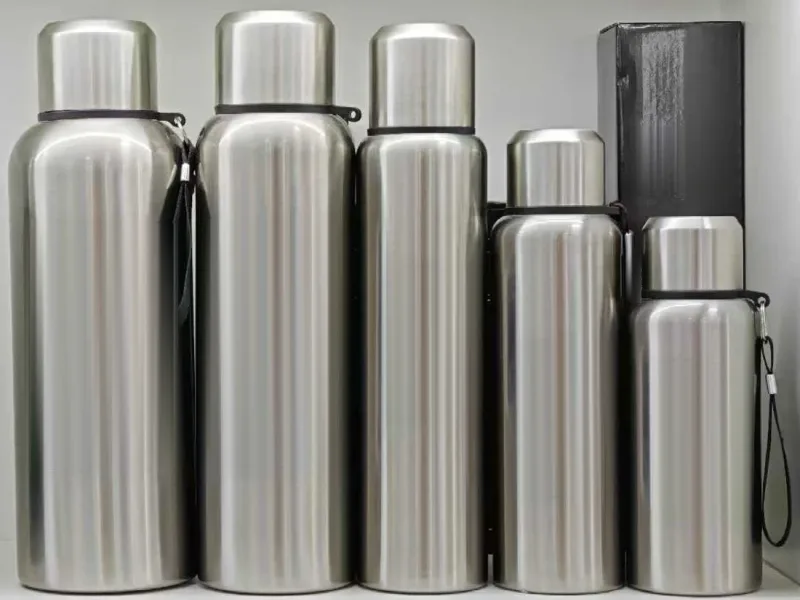
White label water bottles explained: how they differ from private label and OEM, minimums for blanks and branded bottles, packaging, labels and what to order.
Read guide →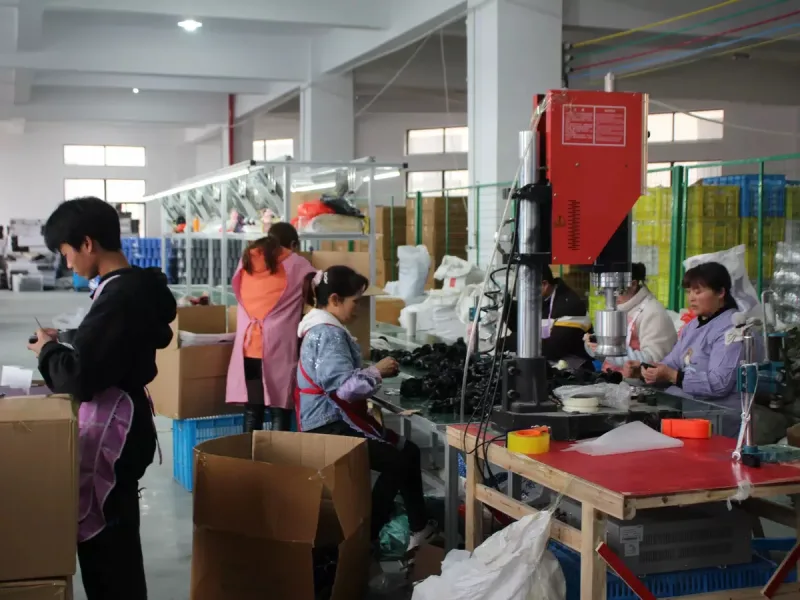
What an amfori BSCI audit rating means for a drinkware supplier: how the A to E rating works, when the next audit is due, what it covers and how to check it.
Read guide →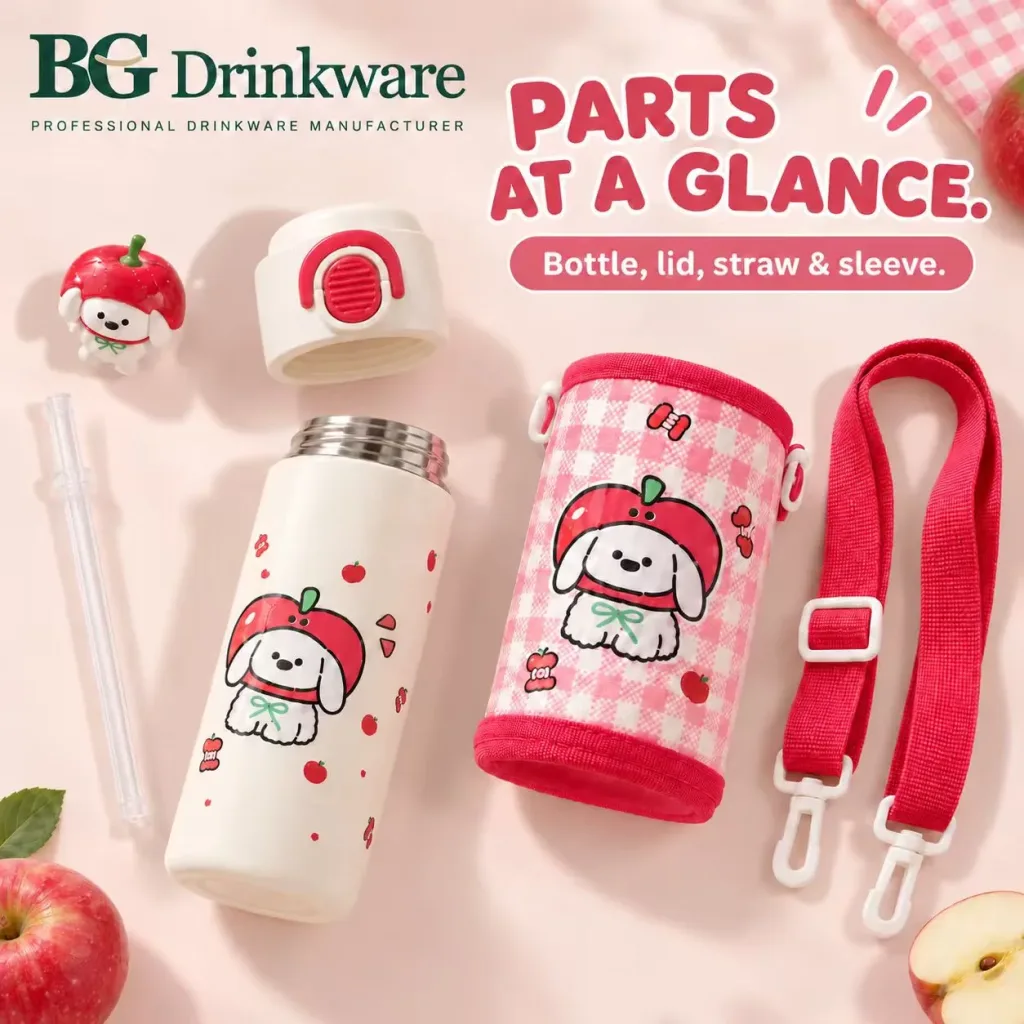
Plan replacement-parts stock by bottle version. Define service-pack contents, record approved pairings and separate sample approval from stock release before replenishing.
Read guide →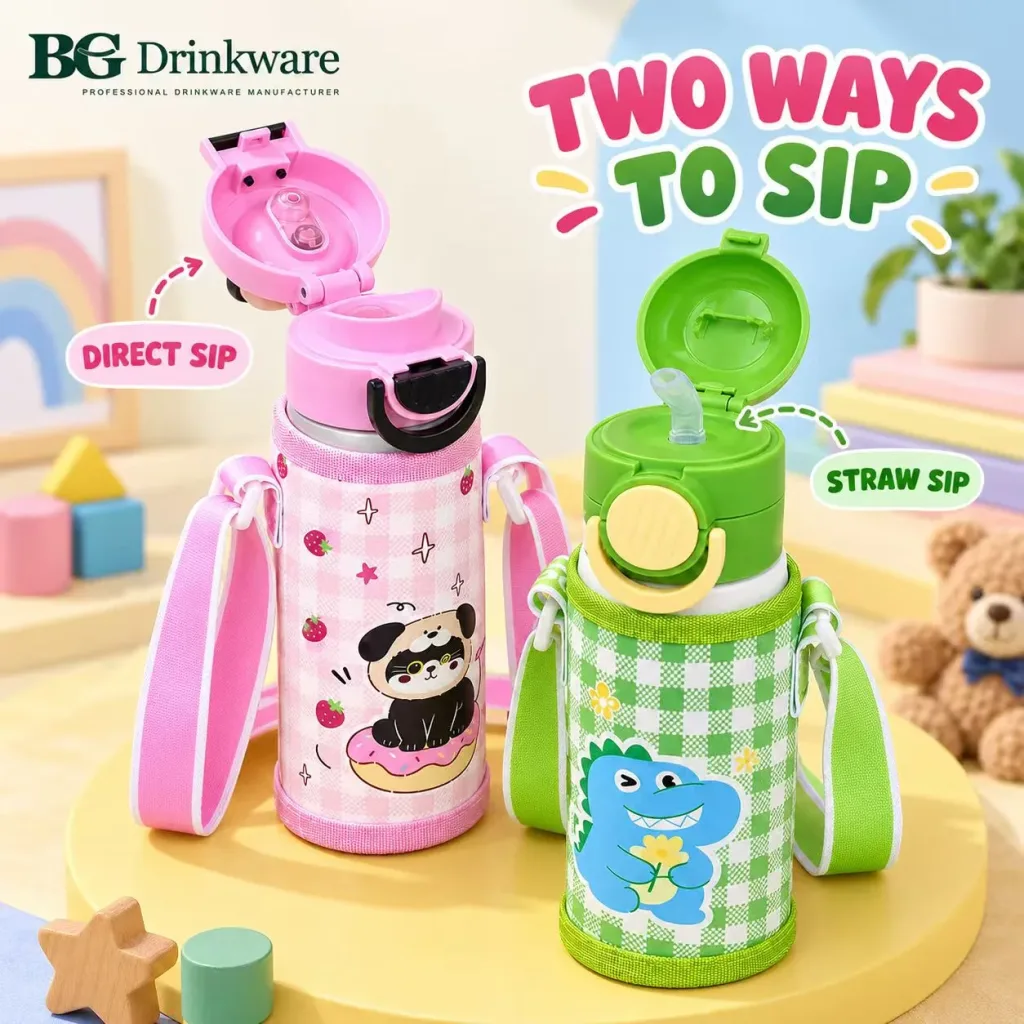
Record opening, closing, locking and adult reassembly observations against a named lid version. Use the findings to agree revisions, retest scope and the limits of sample approval.
Read guide →Put the reading to work
A useful guide narrows the question. Your order still needs one confirmed configuration, agreed checks and a record of what was accepted.
Record the capacity, material, lid, finish, accessories and packing format you intend to buy.
Set the relevant test setup and acceptance criteria for that version before evaluating results.
Retain the approved sample, photos and inspection notes so production has a clear comparison point.
Resolve exceptions, then decide whether the version is ready for production, rework or another sample.
Continue the project
Use the article topic to identify the decision, then review the product range, production route and inspection approach for the model you select.
Compare the available drinkware families before selecting a model for sampling.
↗Production routeReview the steps that carry an approved configuration into a repeatable build.
↗Inspection decisionSee how checks, records and nonconforming products fit into an order decision.
↗Before you request a sample
Keep the article, the sample and the order specification in their proper roles.
No. A change in lid, seal, coating, size or assembly may change what needs to be checked. State the exact configuration and test conditions before applying a result to a bulk order.
A photo can show a product detail or a production step, but it does not establish a dishwasher result, leak rating or insulation duration. Ask for the relevant method and record for the chosen version.
Share the intended cup or bottle type, capacity, material, lid, decoration, target quantity, packing and destination market. Mention the performance or care claim you need to verify, so sampling and checks can be scoped around it.
Ready to define the order?
Include the bottle, lid, quantity and target market; add any sealing, care or temperature question your team needs answered on a sample.
Search BG Drinkware
Add us on WeChat

WeChat ID: +86 151 5891 9004
Open WeChat, tap + then Scan, and point it at the code.